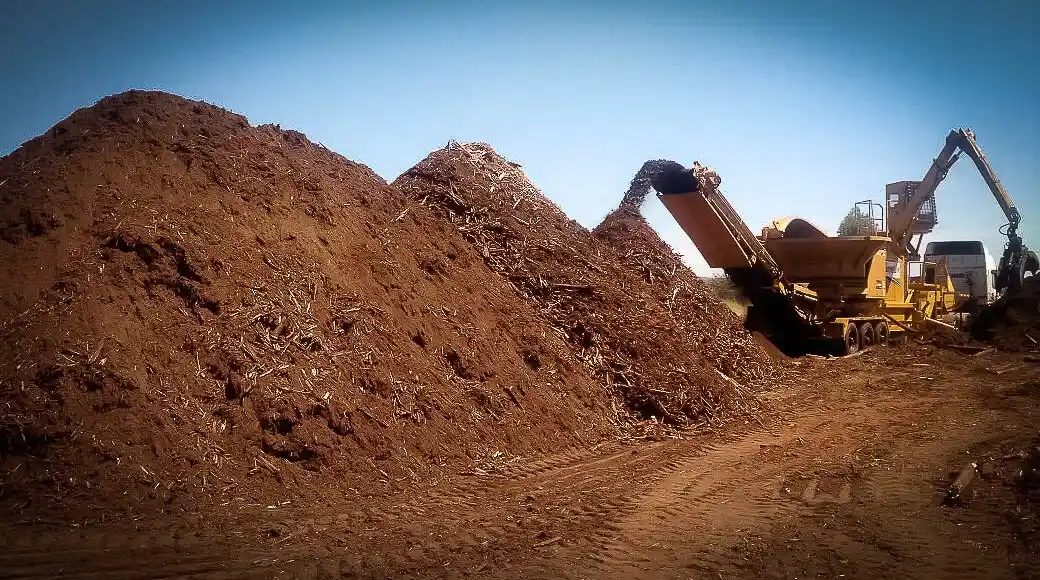

Do you know how to save on biomass?
A few years ago, residues from agribusiness and
Today, the material brings both environmental benefits (because it is renewable) and economic ones. Biomass fits easily into the
How to save biomass: start with moisture
So the question is: how do you save biomass? Quality control is the first answer. In this article we showed that moisture is the most important parameter to control in these cases, and we suggested measuring it quickly and representatively, for example with the M75 moisture meter.
Moisture is directly related to the useful calorific value of biomass. Knowing the moisture of the material, or its useful calorific value, tells you how much water has to evaporate before the material starts delivering thermal energy. Knowing that value is a requirement for pricing the material, holding suppliers to quality standards and quantifying the energy stored in the yard.
The moisture reading on a meter’s display is therefore decisive for every industrial process that follows once the biomass is unloaded in the yard. The information is used to:
- qualify suppliers and charge or adjust prices with them;
- classify materials in the yard (which lots go to the boiler first?);
- set parameters and make decisions about the boiler’s own operation;
- forecast the quantities of biomass the purchasing department needs to buy;
- most importantly: know how much steam, or thermal energy, a given quantity of biomass will deliver.
That is why the M75 comes with a calculator that suggests bonuses or discounts on the price per tonne of the material traded.
Example: correcting the biomass price for moisture
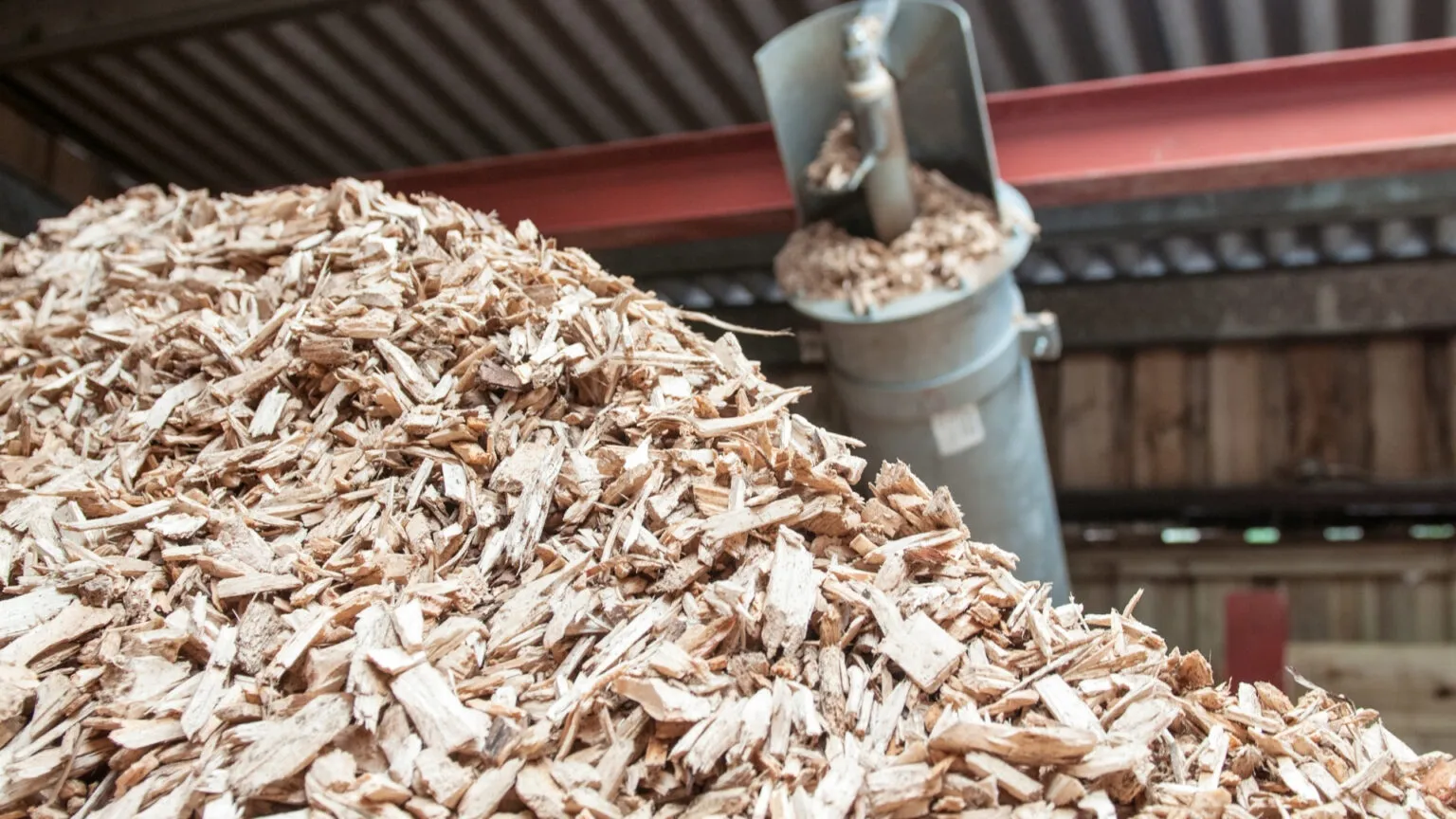
The table below shows an example from the calculator used to correct the value of biomass. In this case, a load of 40 tonnes of eucalyptus chips (HHV of
| Scenario | Load | Moisture | Dry matter | Water | Useful energy | Price per tonne |
|---|---|---|---|---|---|---|
| STANDARD (contracted) | 40% | 91.224 Gcal | BRL 100.00 | |||
| ACTUAL (delivered) | 50% | 72.020 Gcal | BRL 78.95 |

The contracted scenario (STANDARD) would mean 24 tonnes of dry matter and 16 tonnes of water, with 91.224 Gcal of useful energy (after the energy needed to evaporate the water). The ACTUAL scenario means only 20 tonnes of dry matter and 20 tonnes of water, with 72.020 Gcal. The gap is not just 10 moisture points (from 40% to 50%): it is from 91 to 72 Gcal, or 21.05% less energy purchased. That is the suggested discount on the price per tonne, which would drop from BRL 100.00 (agreed for 40%) to BRL 78.95 (corrected for 50% moisture using the energy metric). To apply this correction to your own load, use the biomass load price calculator.
The financial loss from a lack of control, or of a suitable metric, when buying biomass can be significant. In a plant consuming 3,000 tonnes a month, with none of these controls and with deliveries repeatedly at 50% moisture instead of the agreed 40%, the monthly loss would be around BRL 63,000.
Just as the correction can be used for discounts, bonuses can be applied when the biomass arrives drier than agreed, which helps organize and qualify suppliers. The discount and bonus metric must be defined and agreed between suppliers and buyers, but in general it should always be based on the amount of energy, not the amount of material. Only then is it possible to save a resource as valuable as biomass.
Get a free biomass assessment for more efficiency and savings
Marrari offers a free assessment for companies that generate power and steam from biomass, showing how to use it as efficiently and economically as possible, with solutions, methods and ideas to improve your process. Book your free assessment.
Author: Elisa Pizzaia Goltz, Industrial Wood Engineer (UFPR, 2014), MSc in Forest Engineering (UFPR, 2018), quality and technical manager at Marrari Automação’s UmiLab laboratory
Did you like this article?
Could this article help someone on your team? Send the link to a colleague: