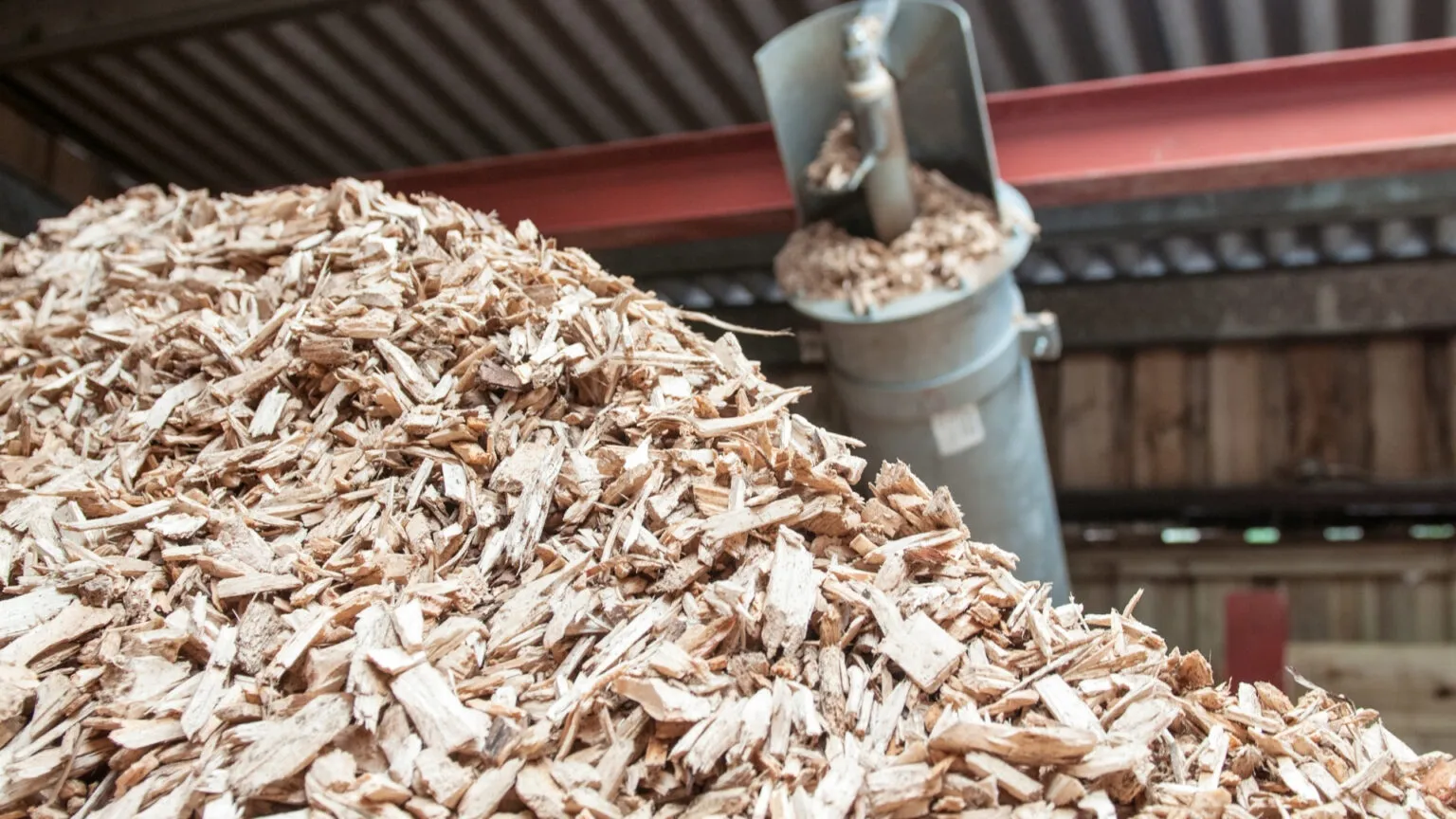
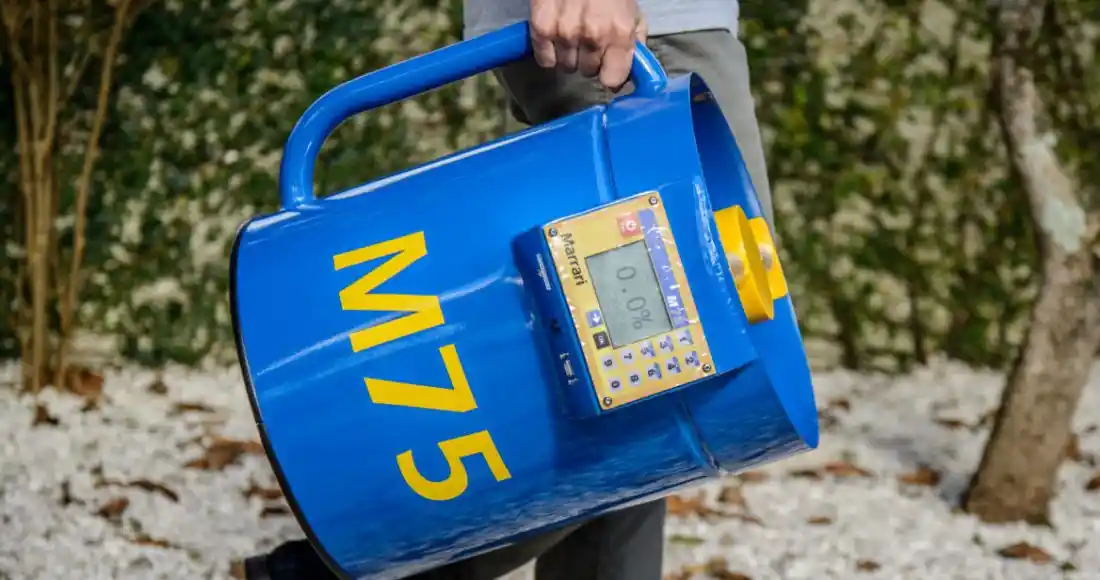

How do you measure biomass moisture? The short answer: with a portable moisture meter such as the M75 or the M75D, or with an inline meter. But it is worth going deeper. Materials called biomass are of plant origin (firewood, wood chips, sawdust, sugarcane bagasse or straw, rice husk, coconut husk, etc.) and are made up mainly of carbon (49% to 50%), oxygen (44% to 45%), hydrogen (5% to 7%), nitrogen (0.1% to 1%) and small amounts of other elements. All of them also contain a certain amount of water, and that amount is what we call moisture content.
What wet-basis moisture content means


Moisture and energy: HHV, LHV and useful calorific value
For combustion to take place, the water in the fuel has to be evaporated. Part of the fuel’s energy is therefore spent evaporating the water in the material (as indicated by its moisture content), and another part evaporating the water formed when the hydrogen in the material combines with oxygen. The energy left after that is what is actually used when the biomass is burned.
To characterize a material by its ability to generate energy, three terms are used: HHV, LHV and useful calorific value, especially the last. What do they mean?
- HHV (higher heating value, PCS in Portuguese): the energy produced by a fuel at 0% moisture content. This value does NOT deduct the energy spent evaporating the water formed during combustion.
- LHV (lower heating value, PCI): the energy produced by a fuel at 0% moisture content, minus the energy spent evaporating the water formed during combustion.
- Useful (net) calorific value (PCU): the energy produced by burning the biomass, minus the energy spent evaporating both the water in the material (moisture content) and the water formed from its hydrogen.
In other words, always HHV > LHV > useful calorific value.

So how do you measure biomass moisture?
One way is to
Another way is to use electronic meters. They give instant readings and, thanks to their simplicity and sample size, allow large volumes of material to be analyzed, which makes the assessment far more representative (see the article “Using the dielectric (capacitive) method to measure wood chip moisture”). Results can also be stored in the meter’s memory for reports and statistics. Some meters also show the useful calorific value of the material, so it can be assessed directly by its ability to produce useful energy.
Get a free biomass assessment for more efficiency and savings
Marrari offers a free assessment for companies that generate power and steam from biomass, showing how to use it as efficiently and economically as possible, with solutions, methods and ideas to improve your process. Book your free assessment.
Author: Celso Martini, Eng., Sales Director at Marrari Automação
Did you like this article?
Could this article help someone on your team? Send the link to a colleague: