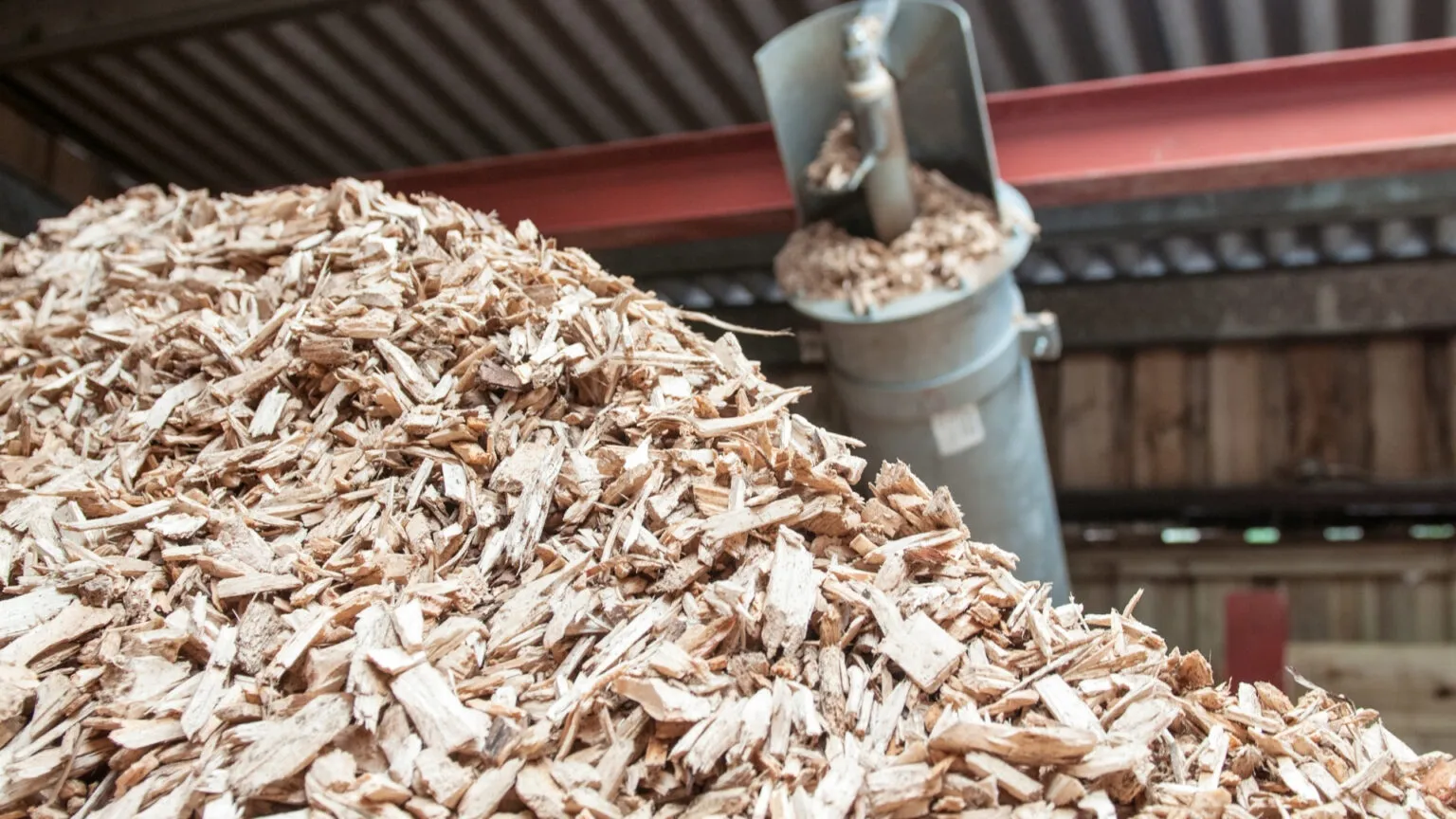

Sugarcane bagasse moisture is measured with electronic meters installed directly on the bagasse discharge chute, right after the last mill of the tandem (also on diffuser lines). These meters provide continuous readings at
Why measure sugarcane bagasse moisture?
Knowing the moisture content of bagasse leaving the mill matters for at least two reasons.
The first is extraction, the milling process that removes sugar from the cane. If bagasse moisture is high, it indicates (among other factors) that some of the juice is still in the bagasse, reducing the amount of sugar extracted. If moisture is too low, some sugar may remain in the bagasse because there was not enough imbibition water to remove it. With this information, the operator can adjust the imbibition valves or roller pressure to reach the optimum point.
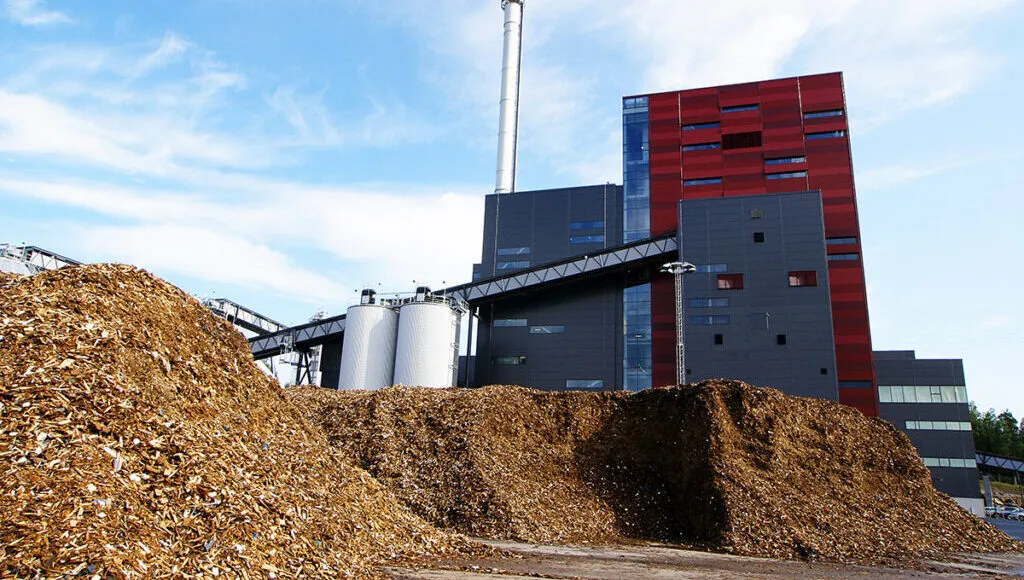
The second is the next process, usually burning the bagasse to produce thermal energy in large boilers. Here, the boiler control system needs to know the moisture of the incoming fuel to adjust its parameters and maintain performance. Fuel that stays too wet for too long “knocks down” the boiler (reduces its steam output) and can cause unstable combustion and even explosions in the furnace.
Accuracy of inline moisture measurement
The technology behind these meters was developed in the
Electronic meters deliver very accurate results (see the example below), and the sample volume is very large. Consider a line that crushes 1 million tonnes of cane per season. Over that period it produces about 300,000 tonnes of bagasse. In an average installation (chute size, flow speed, etc.), about 22 tonnes of bagasse per day have their moisture analyzed by a single inline moisture meter, around 2% of the bagasse produced that day. With three sensors on the discharge chute, that rises to 65 tonnes per day, around 6% of the total. For comparison, hourly manual sampling over the same period would analyze just
Application examples


The excerpt above comes from the validation report of the UmiCana inline cane moisture meter prepared for Atvos (formerly Odebrecht Agroindustrial).
Get a free biomass assessment for more efficiency and savings
Marrari offers a free assessment for companies that generate power and steam from biomass, showing how to use it as efficiently and economically as possible, with solutions, methods and ideas to improve your process. Book your free assessment.
Author: Celso Martini, Sales Director at Marrari Automação
Did you like this article?
Could this article help someone on your team? Send the link to a colleague: