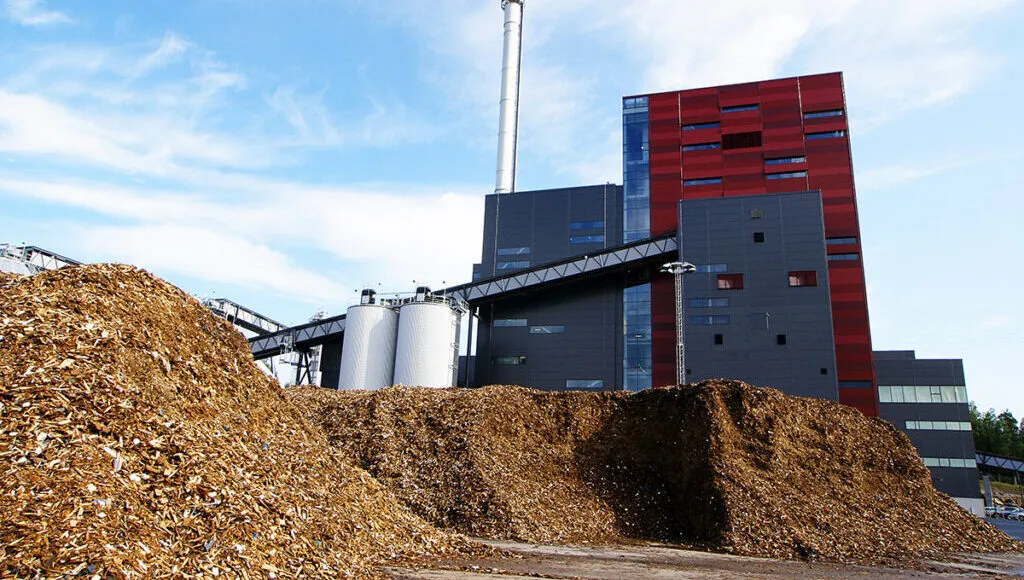

In the constant search for energy efficiency and sustainability, industries have turned to renewable energy sources, and biomass has stood out as a promising alternative. Using biomass in industrial boilers to generate steam not only reduces the carbon footprint but also brings a crucial challenge: the need for advanced
Why biomass measurement systems matter
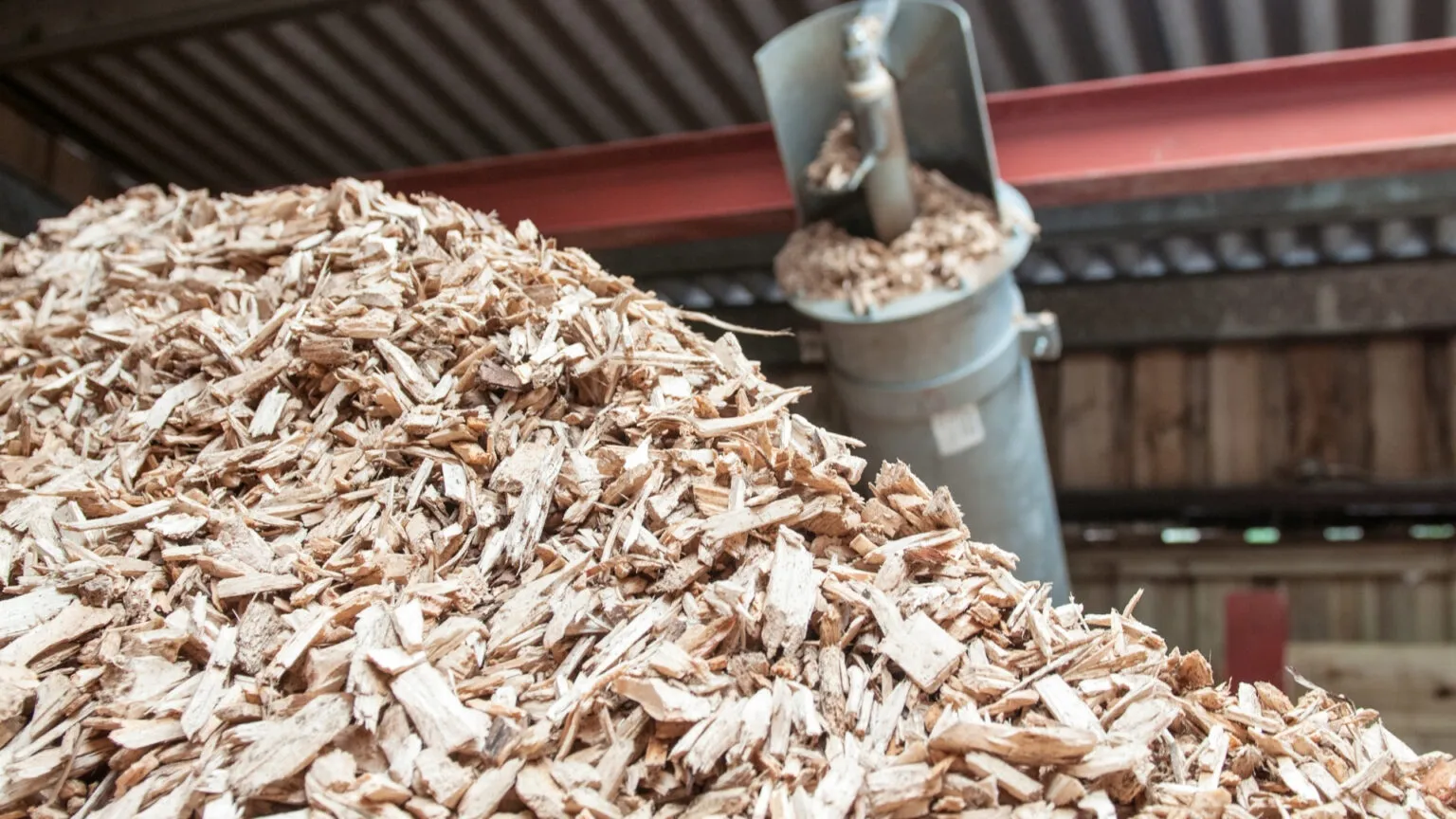
Biomass, which comes from organic materials such as agricultural residues, wood and forest residues, has variable moisture and density. These variations can have a significant impact on combustion efficiency and on the quality of steam generation in industrial boilers. This is where biomass measurement systems come in.
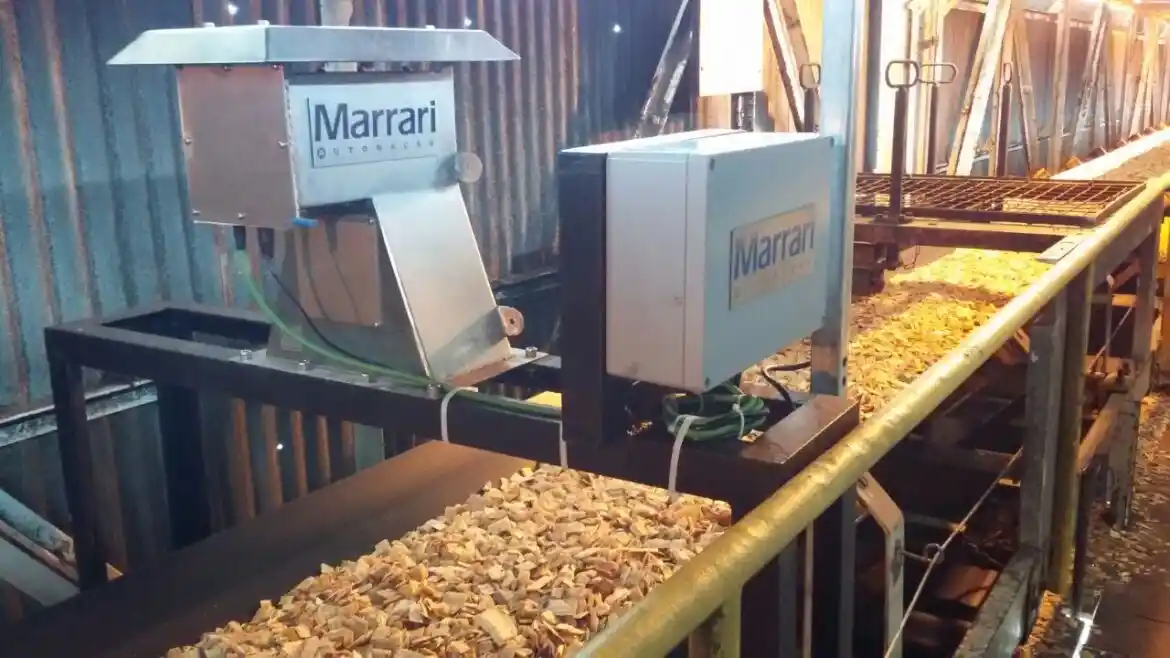
To measure the mass flow, the moisture and, optionally, the weight of the biomass feeding the boiler, the DensiDry system is the right solution. See DensiDry and request a
Examples of significant variations
Imagine a boiler running on biomass whose moisture content is not properly measured. A batch of
Benefits of in-line biomass measurement systems
- Precise control:
In-line moisture and mass flow measurement systems allow precise control of the input parameters. This ensures that the ideal amount of biomass is fed into the boiler, optimizing combustion and maximizing steam generation. Operators can thus keep a fine balance between steam demand and biomass supply, avoiding underfeeding or overfeeding. - Energy efficiency: With accurate measurements, the biomass feed can be adjusted automatically according to its characteristics in real time. This means more efficient use of resources and, as a result, lower operating costs. Better energy efficiency also leads to an overall increase in plant productivity.
- Lower emissions: More efficient biomass combustion not only increases steam output but also reduces harmful emissions. This supports more sustainable industrial practices and compliance with environmental regulations. Less waste and fewer emissions mean a more positive corporate image, in line with society’s environmental concerns.
- Predictive maintenance: With the
real-time data from the measurement systems, maintenance teams can act more precisely and proactively. By spotting changes in biomass conditions and adjusting the process before problems occur, maintenance becomes more effective and less costly.

Why invest in in-line biomass measurement systems
Real-time data:In-line measurement systems provide continuous,real-time data on biomass moisture and mass flow. This allows immediate adjustments whenever there are variations, avoiding efficiency losses. The ability to react quickly to changes in biomass conditions ensures a more stable and reliable process.- Informed decisions: Based on the data collected, operators can make
better-informed decisions about process adjustments, preventive maintenance and optimizing biomass use. These decisions are grounded in concrete evidence, improving process quality and operational reliability. - Lower costs: Optimizing biomass combustion directly reduces operating costs by minimizing wasted resources and maximizing output. Preventing unplanned shutdowns and the need for corrective maintenance also reduces the costs of production interruptions.
- Compliance and standards:
In-line measurement systems are an effective way to meet regulatory and quality standards. Keeping accurate, detailed records of biomass conditions is essential to demonstrate compliance with environmental and safety regulations. - Innovation and competitiveness: Investing in advanced measurement technologies shows a commitment to innovation and to the continuous search for better industrial practices. This not only strengthens the company’s competitive position but can also attract investors and partners who value sustainability and efficiency.


Conclusion
Most importantly: get a free biomass assessment for more energy efficiency and savings
Marrari offers a free assessment for companies that generate power and steam from biomass, showing how to use it as efficiently and economically as possible, with solutions, methods and ideas to improve your process. Book your free assessment.
Did you like this article?
Could this article help someone on your team? Send the link to a colleague: