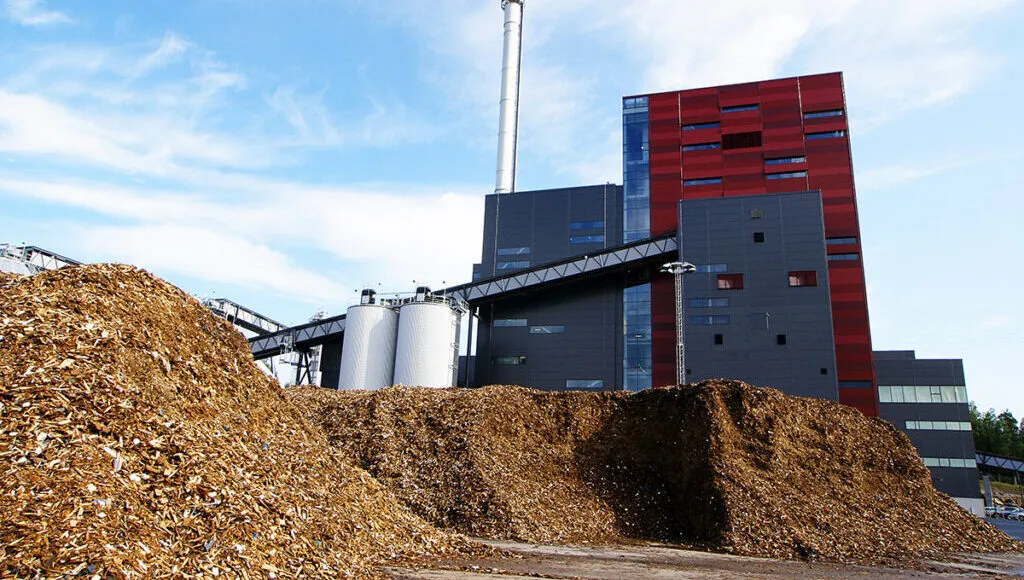

Biomass is establishing itself as one of the energies of the future. With technological development, world energy consumption grew by about 50% between 1995 and 2020. At first glance this is good news, as it reflects access to better living and working conditions. However, under the current model, based mainly on fossil fuels, this growth is not sustainable in the long run.

Why look for new energy sources
Oil is a finite resource subject to sharp swings in supply and price, which shows how vulnerable dependence on it makes us and reinforces the need to replace it. Another factor is the environmental impact of consuming and extracting fossil fuels: environmental disasters at extraction sites, together with carbon dioxide emissions, are causing clear and lasting changes to the environment that put our future at risk.
The world is already aware of these problems and has long been looking for alternatives. Through research, investment and technological innovation, the transition to a greener economy has moved onto the agenda and is being demanded by every sector of society.
The rise of renewable energy
The chart below shows that, before the

Diversifying energy sources is not only about environmental impact and rising consumption: there are also strategic and financial goals. Relying on a single source leaves companies at the mercy of the market and of availability. For example, low oil supply drives up the price per barrel; drought cuts hydropower output and raises tariffs; and solar power depends on hours of sunlight, which may require heavy investment in storage depending on the application. A diverse energy mix cushions the shocks of any one market segment and gives peace of mind to those investing in their energy security.
In the International Energy Agency (IEA) Sustainable Development Scenario, annual investment in clean power generation would almost double in

Why biomass is the energy of the future
For those who do not want to be left behind, the question is: where to start? Several criteria help decide where to invest in power generation: environmental aspects such as emissions of harmful compounds and availability; technical aspects such as energy conversion efficiency; and financial aspects such as the feasibility of implementation on site.
Biomass is considered an energy of the future because it is a highly competitive resource in this energy transition: it is renewable, has low net carbon emissions and is available in large quantities, among other features.
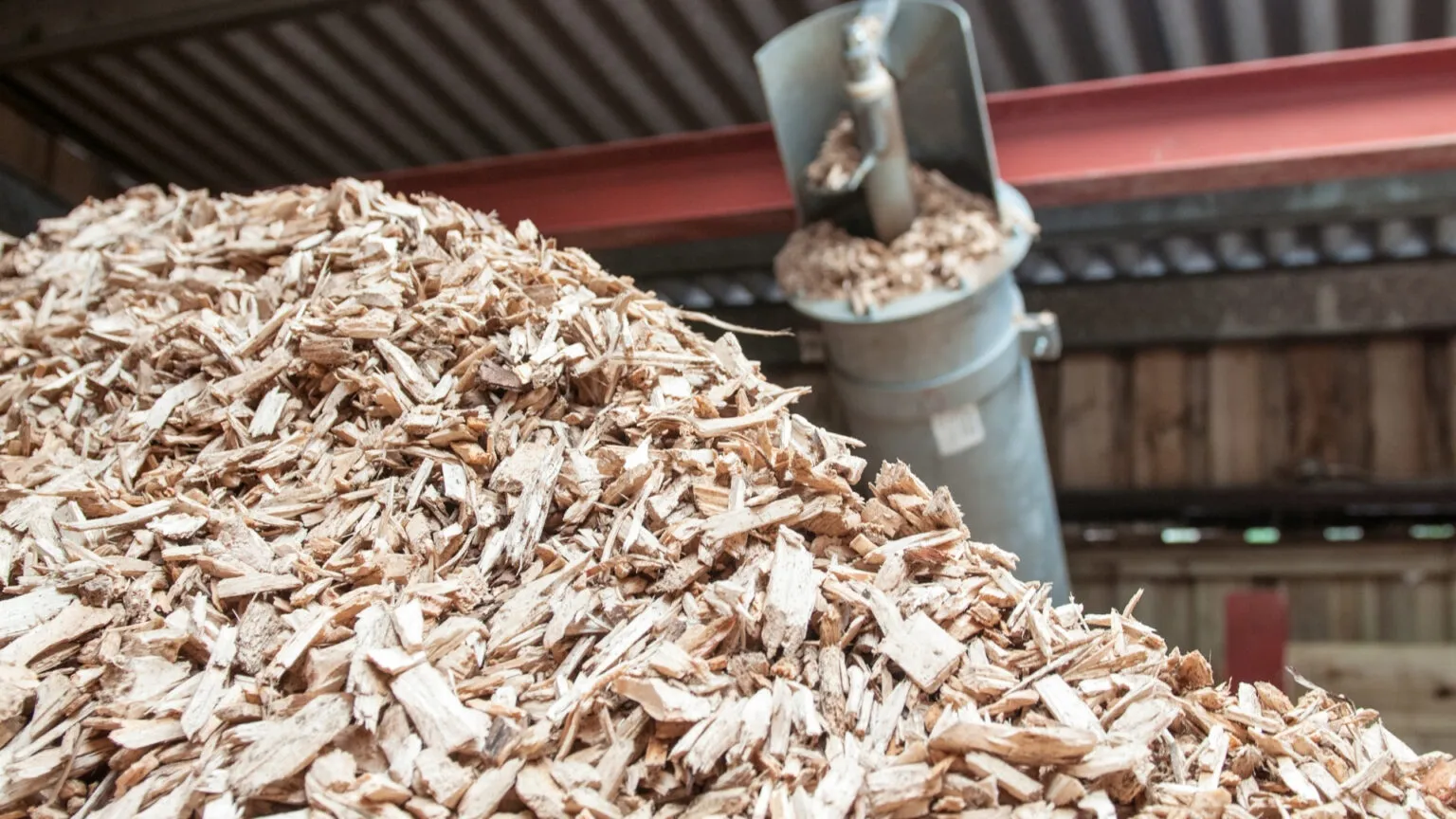
Biomass can be sourced almost anywhere: from forestry, agriculture, livestock, urban and industrial sectors. There is no shortage of suppliers. And because it is renewable, it can be produced continuously, as long as it comes from sustainable management.
Using biomass for energy also makes better use of natural resources: a residue such as sawdust from lumber production gains value, creating revenue that did not exist before. To improve the energy efficiency of these largely unprocessed materials, technology allows them to be converted into other products such as biogas,
Besides the financial benefits, biomass fits into carbon reduction policies: the carbon dioxide released during combustion is reabsorbed as new plants grow, provided the biomass comes from sustainable management. That makes it an excellent option for mitigating climate change.
Entering the emerging biomass energy market takes care and
Get a free biomass assessment for more efficiency and savings
Marrari offers a free assessment for companies that generate power and steam from biomass, showing how to use it as efficiently and economically as possible, with solutions, methods and ideas to improve your process. Book your free assessment.
Author: Frederico Ramon Machado Teixeira, Industrial Wood Engineering student (UFPR), UmiLab laboratory at Marrari Automação
Did you like this article?
Could this article help someone on your team? Send the link to a colleague: