
Biomass is organic material in which solar energy is stored in chemical bonds through photosynthesis. When those bonds are broken, these substances release the stored chemical energy. From this material, the aim is to obtain thermal or electrical energy, or simply to store a source of chemical energy for future use.
Main types of biomass
The main types of biomass include:
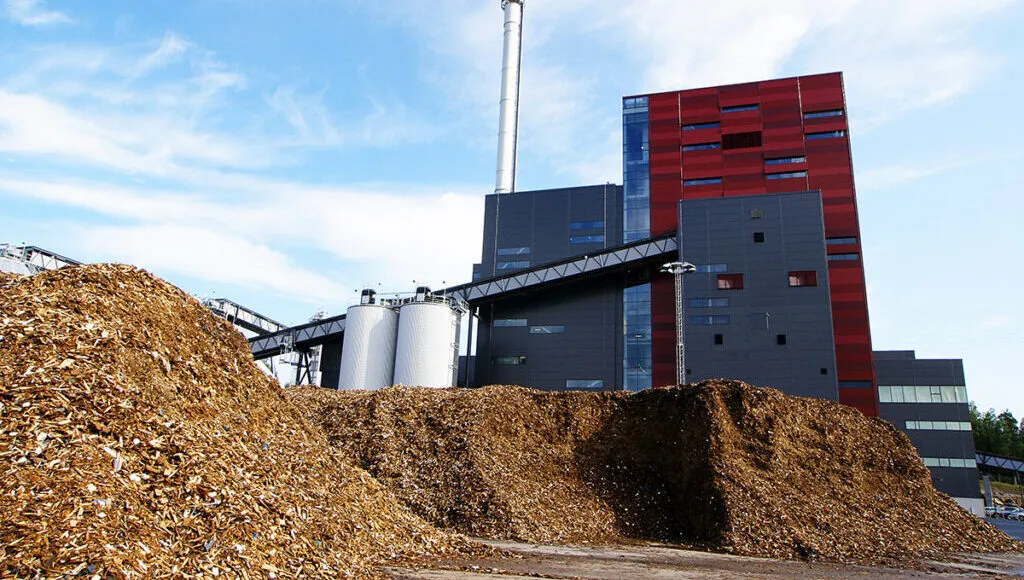
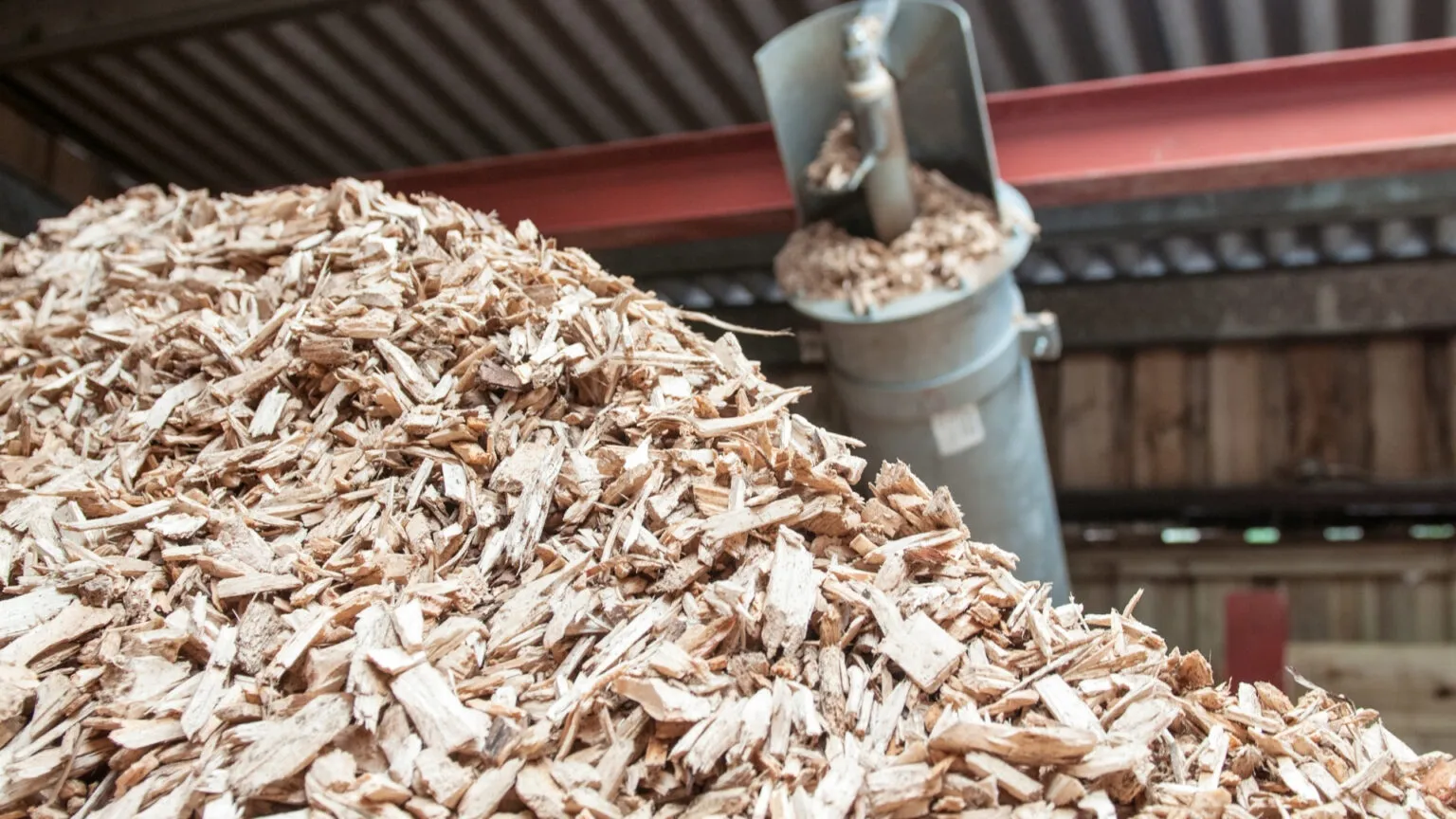
- Woody materials from energy forests and sawmill
by-products (wood chips, sawdust, shavings, etc.); - Herbaceous materials from agricultural residues (rice husk, corn stover, sugarcane bagasse, etc.);
- Aquatic plants (algae).


Characteristics of the ideal energy crop
In general, the ideal energy crop has:
- High yield (maximum dry matter production per hectare);
- Low energy input for cultivation;
- Low cost;
- Few contaminants in its composition;
- Low nutrient requirements;
- Pest resistance.
Why use biomass as an energy source
There are many reasons for the interest in biomass as an energy source: a growing range of processing technologies; public policies that set aside farmland for energy production; low carbon emissions; diversity of sources; support for biodiversity, among others.
Technological development has made it possible to use biomass at a competitive cost and with good conversion efficiency, making it competitive with other sources (especially fossil and
Several agricultural sectors have food surpluses, as in Western Europe and the United States. There, land
When it comes from sustainable sources, biomass releases during conversion the same amount of carbon it absorbed while growing. That is why its use adds very little to atmospheric carbon dioxide (CO2), a greenhouse gas (GHG).
Using biomass diversifies energy sources, making supply more secure and, depending on the crops chosen and how they are grown, it can increase biodiversity compared with current farming practice.
Biomass properties
The inherent properties of biomass determine the choice of conversion process. Likewise, the choice of biomass depends on the form of energy required. The properties of greatest interest are moisture (intrinsic and extrinsic), calorific value and composition.
Moisture
Two forms of water content matter in biomass: intrinsic moisture, the water in the material without the influence of weather, and extrinsic moisture, which reflects weather conditions during harvest. In practice, extrinsic moisture is what counts, since intrinsic moisture is only reached under laboratory conditions.
Calorific value
A fuel’s calorific value can be expressed in two ways: higher heating value (HHV) or lower heating value (LHV). HHV is the total energy released when the material burns, including the latent heat in the water vapor, and represents the maximum energy potential. In practice, that latent heat cannot be used effectively, so LHV is the closest approximation to the energy available. The higher the moisture, the lower the LHV.
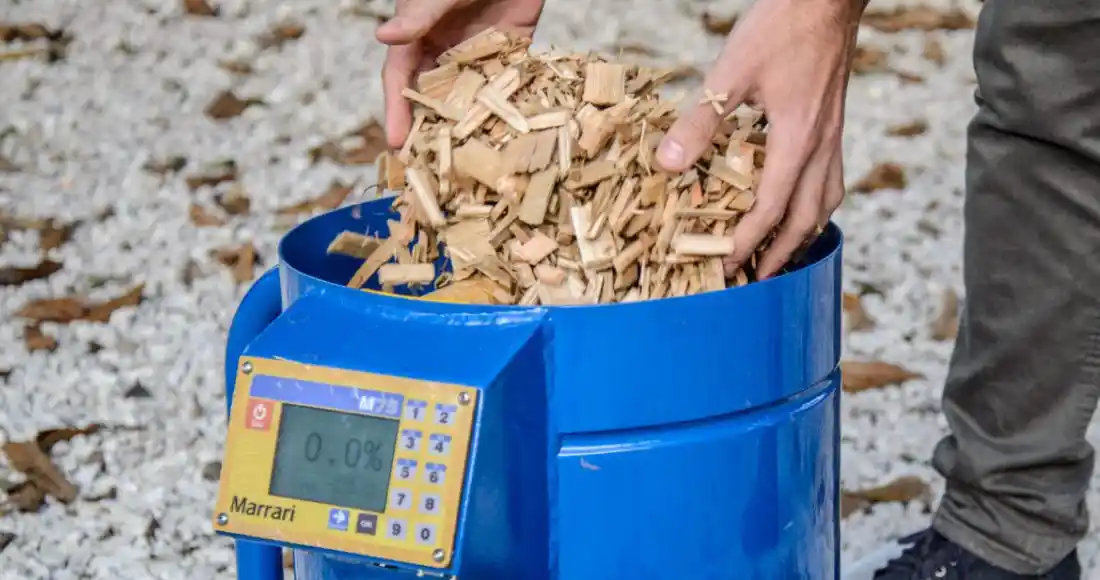
Measure your biomass moisture on the spot, a key input for estimating calorific value, with the M75 moisture meter.
Composition
In terms of composition, the main points of interest are carbon, volatile matter and ash content.
The energy potential of a biomass is closely linked to its carbon and hydrogen content. In practice, however, the amount of energy obtained depends on the conversion process chosen.
Other properties
The bulk density of biomass affects transport and storage costs.
Harvesting can introduce contaminants such as soil, which cause operational problems. Biomass moisture varies with weather at harvest and, for some crops, can add processing costs because of the need for
Knowing the properties of biomass and matching them to the conversion process ensures high yield and allows other products to be obtained. For example, in combustion, hot gases can be used to produce steam which, passing through a turbine with a turbogenerator, generates electricity.
Get a free biomass assessment for more efficiency and savings
Marrari offers a free assessment for companies that generate power and steam from biomass, showing how to use it as efficiently and economically as possible, with solutions, methods and ideas to improve your process. Book your free assessment.
Author: Elisa Pizzaia Goltz, Industrial Wood Engineer (UFPR, 2014), MSc in Forest Engineering (UFPR, 2018), quality and technical manager at Marrari Automação’s UmiLab laboratory
Did you like this article?
Could this article help someone on your team? Send the link to a colleague: