
Measuring moisture in organic materials such as biomass, wood, grain, seeds, meals and agricultural
Especially in cold climates, or in unheated areas such as drying yards, unheated steel silos or outdoor conveyor lines, low temperatures can significantly distort moisture readings and, as a result, compromise operational, commercial and energy decisions.
In this article we look at the physical and technical effects of cold on the main moisture measurement methods, with data, references and ways to mitigate them.
Hygroscopic behavior in cold environments
Organic materials are hygroscopic by nature: they constantly exchange moisture with the air depending on relative humidity (RH%) and temperature. The relationship between the two is described by the sorption isotherm, which shows how the same material can reach different equilibrium moisture contents at different temperatures.
As a rule of thumb, for every
Example: dry wood in equilibrium at 12% moisture will drift toward about 13% if it stays long enough in an environment
10 °C colder at the same relative humidity. Very wet materials, such as fresh chips above 30%, are above the fiber saturation point and are hardly affected.
Main technical effects of low temperatures on moisture measurement
1. Changes in dielectric properties
Most industrial moisture meters, especially
However, dielectric properties change with temperature. The dielectric constant of liquid water actually rises in the cold (from about 80 at
📌 Reference: Ellison, Lamkaouchi and Moreau (1996), Water: a dielectric reference, Journal of Molecular Liquids.
2. Condensation and surface moisture
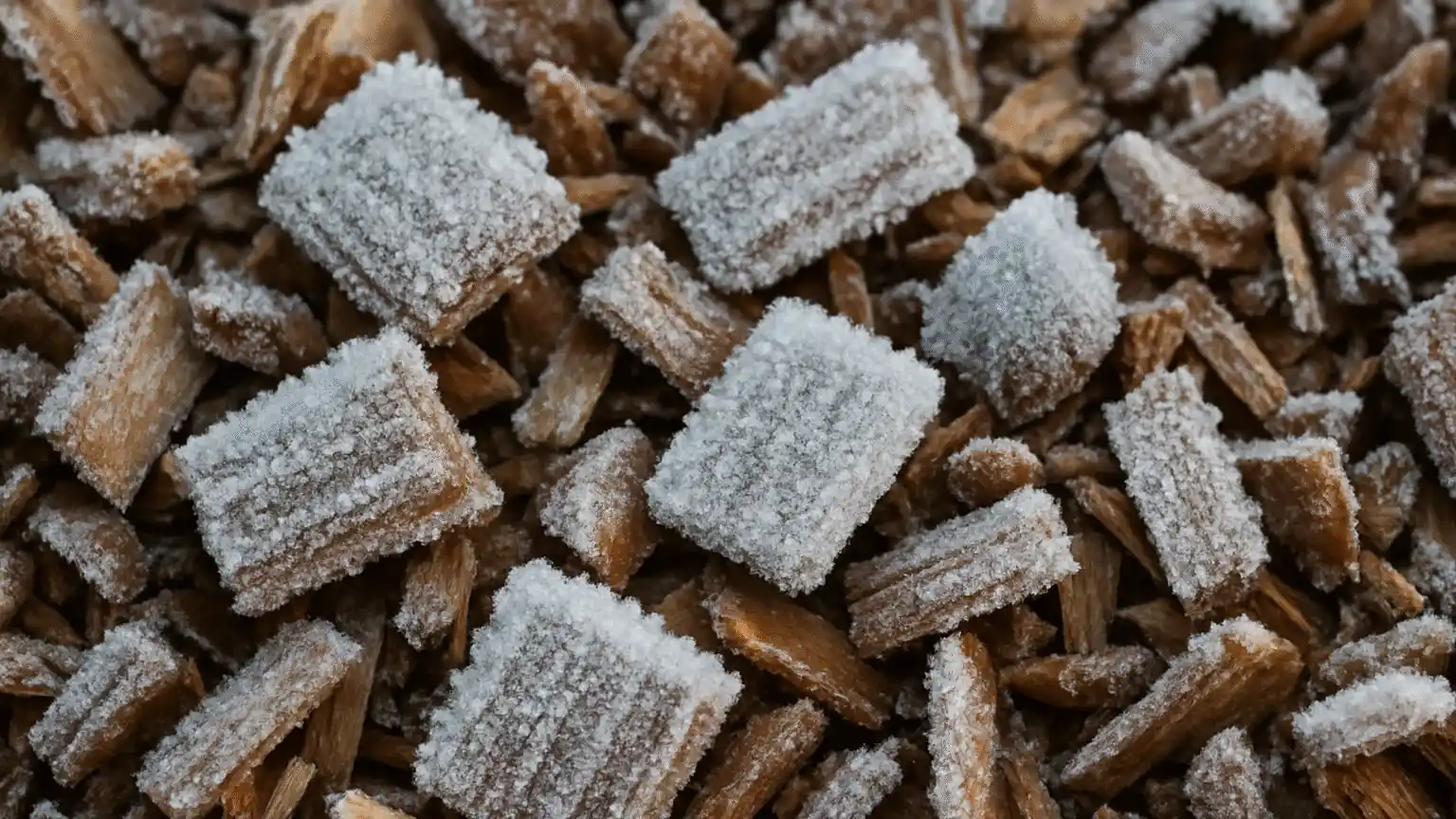
In cold, humid environments, condensation can build up on the material’s surface, especially when it moves between temperatures, such as during transport or when samples are taken into heated rooms. This free water on the surface of the kernel or particle can make the measured moisture read high by several percentage points.
Condensation can also interfere with capacitive, resistive and microwave sensors, because it creates a temporary, highly conductive layer that does not reflect the material’s true internal moisture.
📌 Reference method for grain (oven): ASABE S352.2, Moisture Measurement — Unground Grain and Seeds.
3. Physical changes in the material: freezing and slower diffusion
At or below
Moisture diffusion is also much slower at low temperatures: in materials such as wood or soybean meal, it can be several times slower at
The result is longer response times, inconsistent readings and underestimated total moisture, particularly in quick tests.
4. Changes in bulk density and flow
Thermal contraction of organic materials is tiny and barely changes their density. The real
📌 Tip: for biomass stored outdoors in winter, check for ice or frost in the load before using density readings to estimate moisture or energy.
Direct industrial impacts
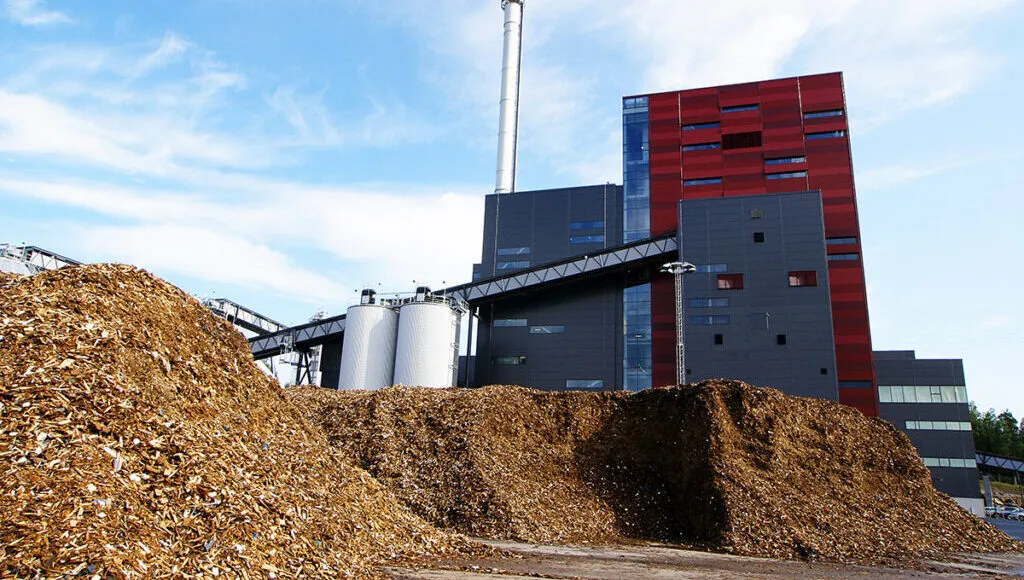
🔥 Biomass for boilers
Moisture directly affects the net calorific value (NCV) of biomass. For every 10 percentage points of extra moisture, NCV drops by roughly 15
🌲 Dried and sawn lumber
Wood drying depends on strict moisture control. In cold environments, uncompensated sensors can cause reading errors that lead to
🌾 Grain, seeds and feed
Measurement errors at low temperatures can produce false “on target” readings, leading to wet grain going into storage. That encourages mold, mycotoxins and loss of nutritional value. In grain trading, a 1% difference in moisture also means considerable financial losses at the final
Best practices to offset the effects of cold
- Use meters with automatic temperature compensation, which adjust readings to ambient or sample temperature.
- Sample after acclimatization, letting the material reach thermal equilibrium with the measuring environment (15 to 30 minutes).
- Monitor temperature and moisture together, with
real-time logging. - Avoid condensation by keeping sensors in a dry place, protected from sudden temperature changes.
- Recalibrate sensors periodically, especially in regions with large seasonal temperature swings.
Conclusion
The influence of low temperatures on moisture measurement is a critical factor that often goes unnoticed, but it can have significant technical and economic consequences for industrial processes that handle organic materials. From
Companies working with biomass, wood, grain, seeds, feed and related products should factor this into their planning, especially in cold regions or outdoor processes.
Marrari Automação develops dedicated solutions for accurate moisture, volume and density measurement in organic materials, with rugged technology, temperature compensation and industrial reliability for a wide range of environmental conditions.
Did you like this article?
Could this article help someone on your team? Send the link to a colleague: