
There is no single answer to “how do you improve boiler combustion?”: it takes a set of technical and operating practices that directly affect thermal performance, fuel savings and plant safety. In biomass boilers, widely used in pulp and paper, food, wood and bioenergy, variations in fuel characteristics demand constant attention to the parameters that ensure complete, stable combustion.
Below are the main factors that influence combustion efficiency, with
Biomass quality: the starting point
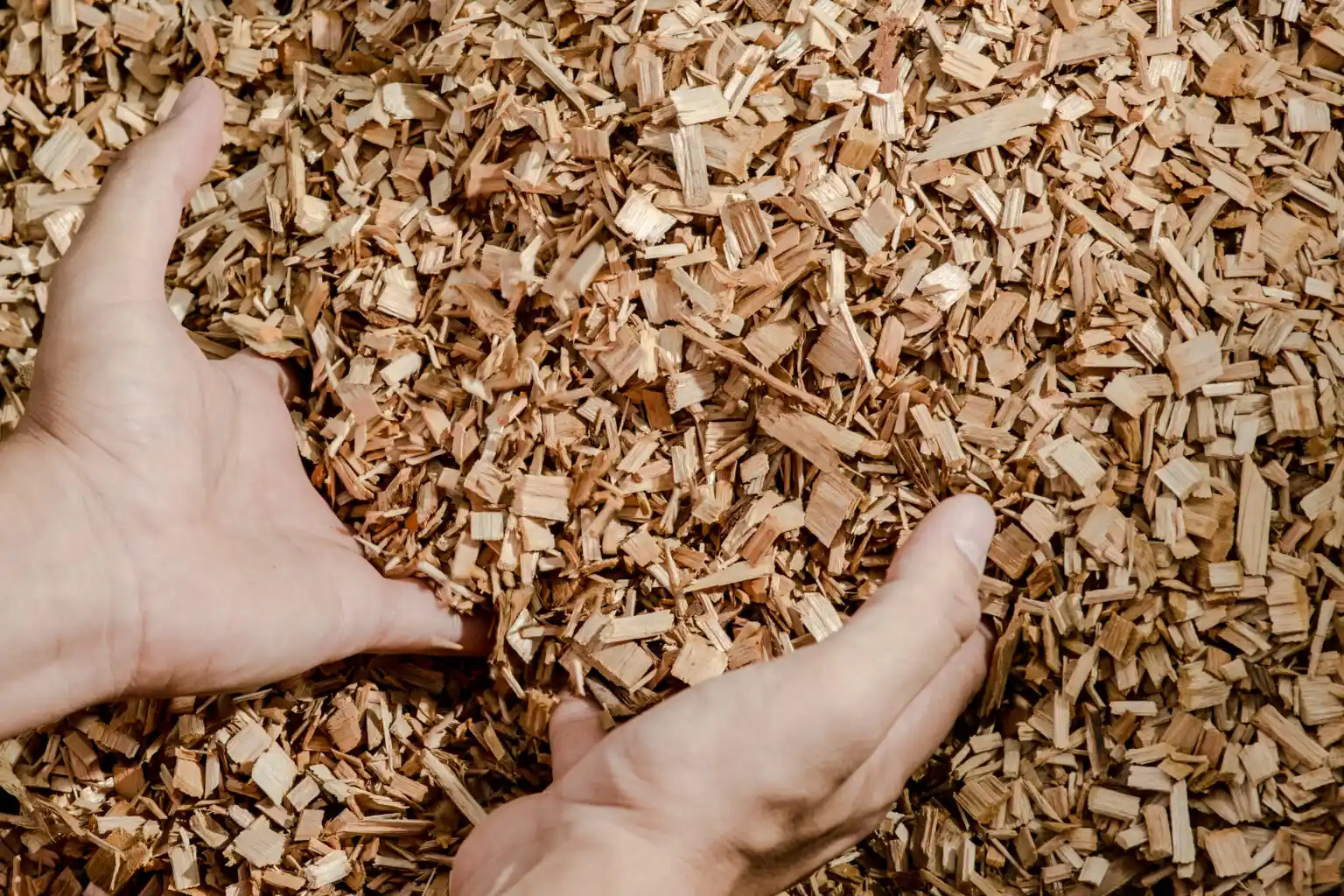
Biomass is an inherently heterogeneous fuel. Moisture, particle size, feedstock type and density all directly affect how much useful energy is available. Ideal biomass should have:
- Moisture between 20% and 30% (wet basis), to avoid excess water vapor in the flue gas;
- Uniform particle size, since large pieces burn slowly and very fine particles risk incomplete combustion;
- Stable bulk density, because it directly affects load control at the boiler feed.
Density (ρ) is calculated with a simple formula:

Where:
- ρ = density (kg/m³)
- m = mass (kg)
- V = volume (m³)
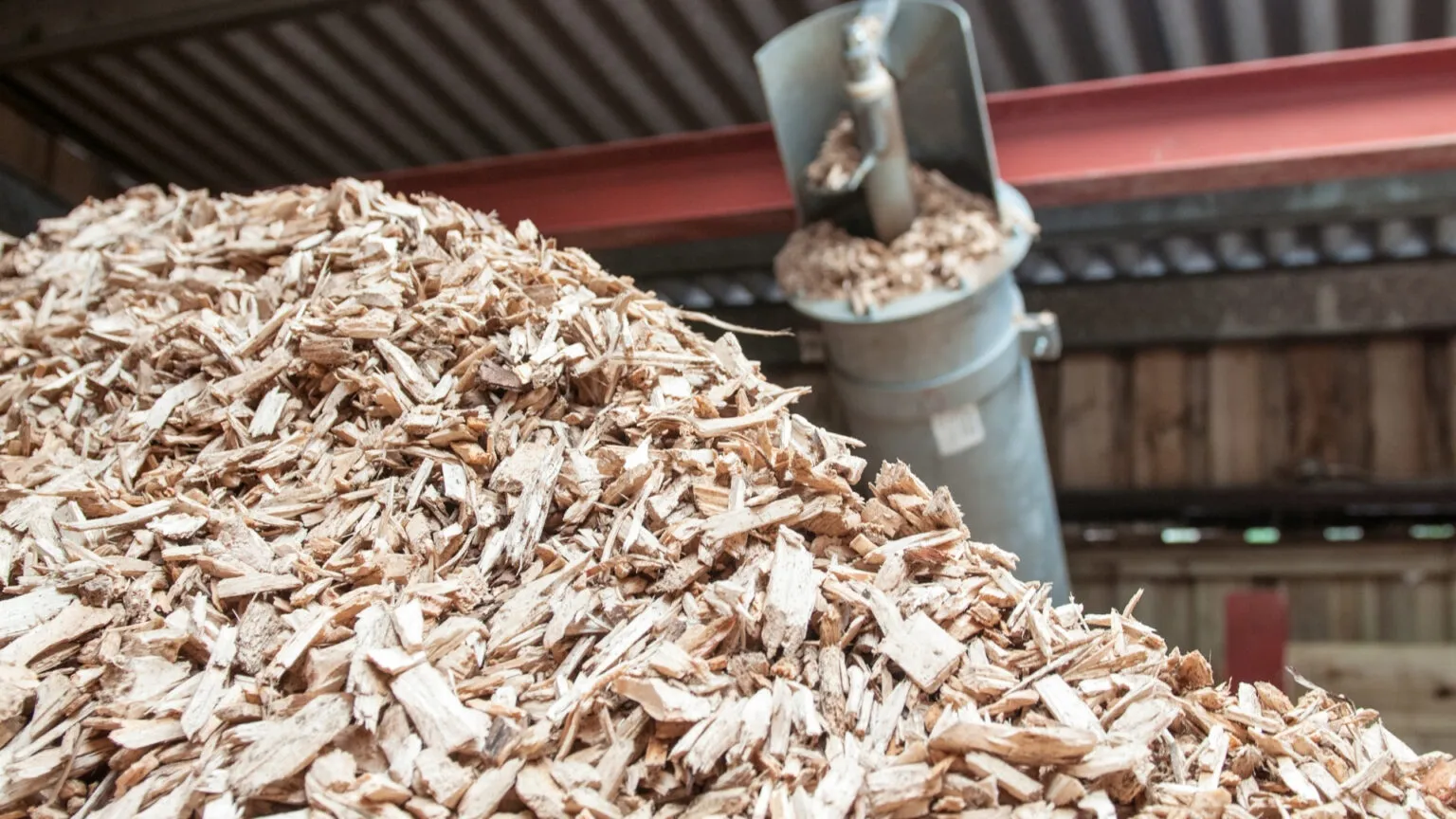
Systems such as Marrari’s DensiDry provide continuous measurement of biomass density, volume and moisture right on the feed conveyor, enabling precise adjustments to boiler operation.
Moisture control: the factor that drives thermal performance
Excess moisture is one of the biggest enemies of efficient combustion. Very wet biomass (> 35%) uses much of the energy it releases just to evaporate its own water, lowering overall system efficiency.
The energy lost in this process can be estimated as:

Where:
- Qₑᵥₐₚ = energy used for evaporation (kJ)
- mwater = mass of water present (kg)
- hᵥ = latent heat of vaporization (approx. 2,260 kJ/kg)
In other words, every kilo of water in the biomass “steals” at least 2,260 kJ from your boiler, not counting the heat needed to warm that water and the vapor lost up the stack. That is why moisture control is essential. Portable meters such as Marrari’s M75 let you check moisture as soon as biomass arrives, keeping unsuitable material out of the furnace.
The M75D also calculates material density, providing valuable data for planning combustion and feeding the furnace with more stable,
Air-to-fuel ratio: balancing excess and shortage
Good combustion needs the right amount of oxygen. Too much air cools the furnace and lowers thermal efficiency; too little causes incomplete combustion, soot and carbon monoxide. The goal is a controlled amount of excess air: in biomass grate boilers, typically 25% to 40% above stoichiometric, depending on the biomass and furnace type.
The stoichiometric ratio can be determined from the fuel’s calorific value and chemical composition. For dry wood biomass, for example, theoretical air is around 4.5
Practical tip: oxygen analyzers in the flue gas help
Even, steady fuel feed
Irregular biomass feed causes thermal swings, uneven steam generation and a risk of partial carbonization. These fluctuations directly hurt boiler output and force frequent corrections from the automatic control.
To avoid this:
- Use metering feeders with speed and weight control;
- Keep the biomass silo in good condition for compaction and flow;
- Avoid caking and blockages on the conveyor.
Plants that measure volume and density automatically on the conveyor regulate thermal load better. Systems like DensiDry do exactly that, providing
Thermal maintenance and furnace cleaning
Over time, slag, ash and fouling reduce heat transfer and increase fuel consumption. Cleaning should be scheduled according to the thermal load and the characteristics of the biomass used.
Even thin layers of ash and fouling, just a few millimeters thick, significantly reduce heat transfer and raise flue gas temperature, which increases fuel consumption. Dirty or poorly positioned temperature sensors can also mislead furnace control.
Technical tip: a routine of sensor checks and calibration, plus inspection of primary and secondary air ducts, makes combustion more stable and predictable.
Conclusion
Improving boiler combustion takes technical knowledge, attention to detail and continuous control of the variables that affect burning. Biomass is a living, variable fuel, so it needs reliable measuring instruments and strategies that connect the shop floor to the plant’s automatic control.
Technologies such as Marrari’s M75, M75D and DensiDry do not replace the operator, but they provide the data needed for more precise decisions. Used well, they help stabilize operation, cut costs and raise boiler energy efficiency.
In the end, “how do you improve boiler combustion?” has a clear answer: with knowledge, control and technology applied strategically.
Did you like this article?
Could this article help someone on your team? Send the link to a colleague: