
Sustainability is central to the future of the wood industry, which seeks to balance productivity with environmental responsibility. Sustainable sawmills in particular face major challenges in reducing raw material waste and optimizing energy use without compromising quality or efficiency. Process automation is an effective way to meet these goals.
This article takes a technical look at how automation, through moisture meters and production controllers, contributes to sawmill sustainability, raising efficiency and reducing wood waste and energy use. Practical examples and illustrative charts show the concrete benefits of industrial automation in the sector.
The challenge of waste and energy use in sawmills
Turning raw logs into usable products is
In addition, cutting and processing that are not optimally controlled can cause significant raw material losses, hurting both costs and sustainability. This is where automation becomes an essential tool.
The role of automation in sustainable sawmills
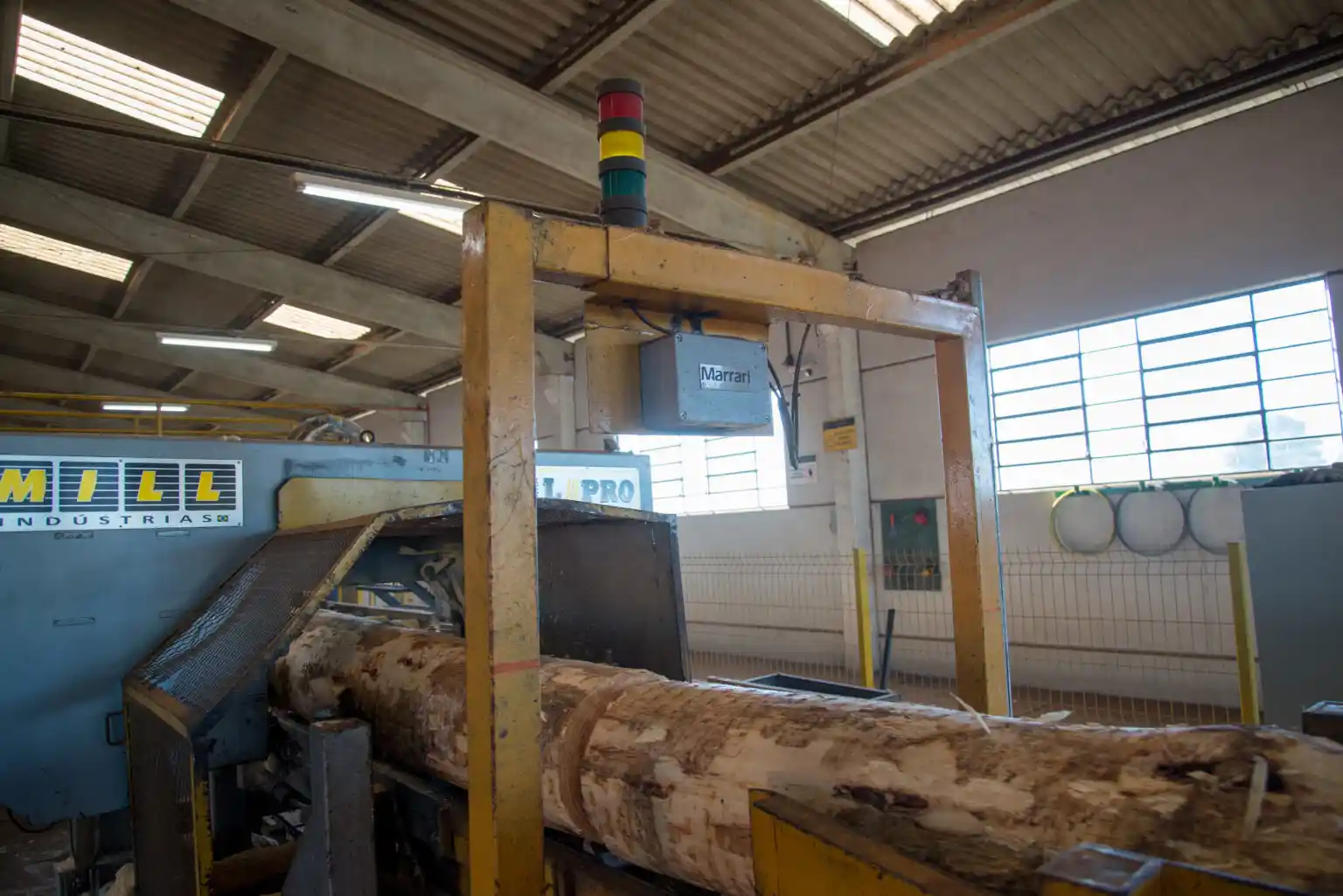
Sawmill automation is directly linked to less waste and more efficient use of resources. One of the main tools is the moisture meter, which monitors wood moisture content during drying.
Chart 1: Energy use with and without automation (illustrative example)
The chart compares a sawmill’s energy use before and after automated moisture meters were installed.

In this illustrative example, energy use falls steadily in the months after automation, with an average reduction of 25%. This comes from the efficiency of moisture meters, which automatically adjust kiln parameters to make better use of heat.
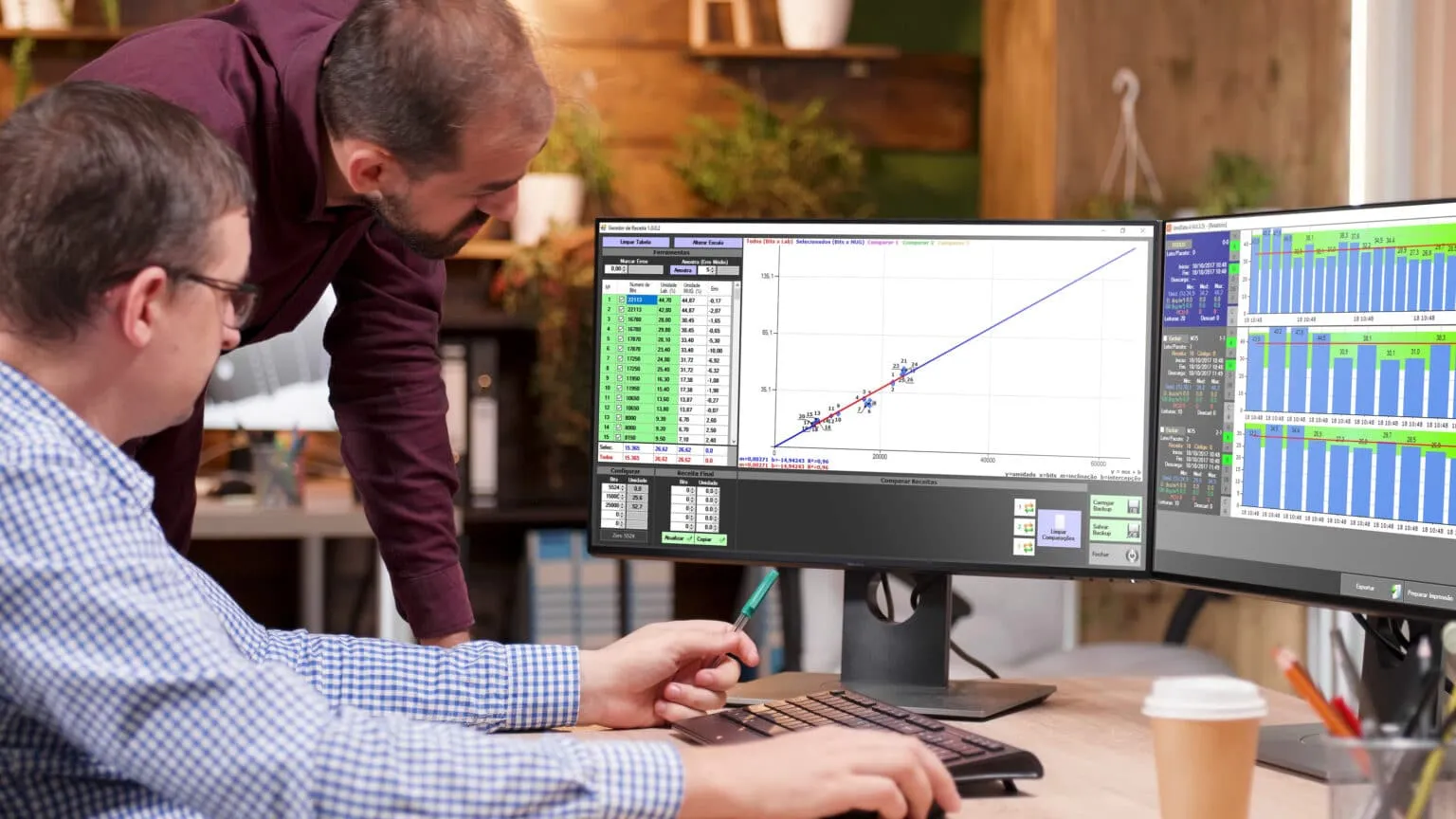
Alongside moisture meters, production controllers are another key automation tool for sustainable sawmills. These systems monitor each machine’s output, log stoppages and yield, and show where wood is being lost, so the sawing process can be adjusted. The result is less waste and better use of raw material.
Chart 2: Wood waste reduction with automation (illustrative example)
The chart illustrates the difference in wood waste between automated sawmills and those still relying on manual processes.

In the illustrative example, wood waste falls by about 30% over five months after production controllers are introduced.
Real-time adjustments and continuous optimization
One of automation’s biggest advantages is
This continuous adaptation is key to sawmill sustainability, because it reduces waste of both raw material and energy and keeps product quality more consistent.
Conclusion
Industrial automation in sawmills is a strategic way to reduce waste and raise efficiency, contributing directly to the sector’s sustainability. Moisture meters and production controllers allow
Did you like this article?
Could this article help someone on your team? Send the link to a colleague: