
Why use moisture meters?
The reason to use moisture meters is closely tied to the proper management of this vital component in many industrial sectors. Their importance goes beyond simple measurement and has a decisive influence on both product quality and process efficiency in a wide range of industrial settings.
In this article we look in detail at the fundamental reasons why using moisture meters is essential in industry, with a focus on the benefits of capacitive moisture meters.

Quality control and operational efficiency
- Preserving quality: In the food and pharmaceutical industries, maintaining product quality is essential. Besides incorrect moisture, other environmental factors can affect product integrity. In drug manufacturing, for example, moisture variations can compromise the chemical stability of active ingredients, resulting in less effective or even harmful products. Moisture control, combined with integrated temperature and pressure monitoring systems, is therefore essential to ensure ideal production conditions and to make safe,
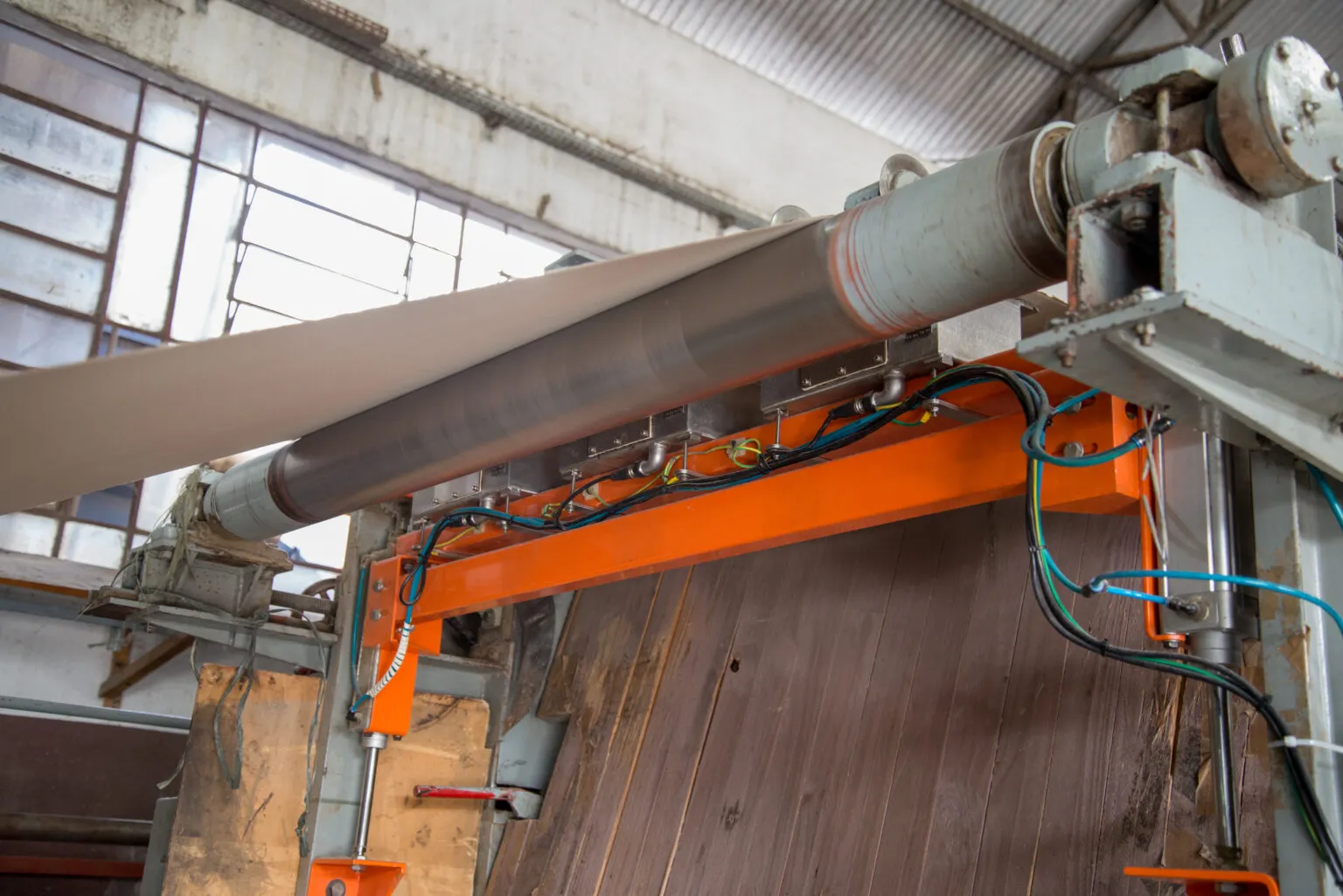
high-quality products. - Avoiding inefficient processes: In sectors such as paper and textiles, where moisture plays a decisive role, a lack of control can have adverse effects. In papermaking, for example, incorrect moisture can deform the fibers and lead to
low-quality end products. Inefficient drying processes also lengthen production time, reduce operational efficiency and raise costs. Advanced moisture control systems are key to optimizing every stage of production, ensuring not only final product quality but also operational efficiency and competitiveness. - Workplace safety: In industrial environments, moisture control not only preserves product quality but also contributes to worker safety. Incorrect moisture can create conditions for accidents such as slips and falls, so keeping it at proper levels is essential for a safe workplace.
- Equipment durability: In sectors such as electronics and manufacturing, excess moisture can damage equipment. Corrosion and oxidation of electronic components happen faster in humid environments. Effective moisture control protects equipment, lowers maintenance costs and increases operational efficiency.
- Regulatory compliance: Many industries have strict regulations on environmental conditions during production. Moisture monitoring not only ensures compliance with regulatory standards but also avoids penalties and fines for deviations. Keeping accurate records of moisture levels is crucial to demonstrate compliance during audits and inspections.

Benefits of using moisture meters in industry
- Saving resources: Besides preserving quality, moisture control plays a key role in saving resources. Industrial environments with excess moisture can waste materials and energy. In drying processes, for example, excess moisture lengthens the time needed and increases energy consumption. By providing accurate data, moisture meters make it possible to optimize the use of these resources, contributing not only to operational efficiency but also to sustainable practices, in line with the growing demands of environmental responsibility.
- Compliance with regulations: In highly regulated sectors such as pharmaceuticals, compliance with strict quality and safety standards is crucial. Moisture meters not only ensure product quality but also play a vital role in meeting specific regulations. By closely monitoring moisture levels, pharmaceutical companies can show an ongoing commitment to high standards, avoid potential penalties and earn the trust of consumers and regulators.
- Reducing losses: Besides ensuring product quality, effective moisture control is key to reducing financial losses. Detecting moisture variations early prevents product damage, whether from mold in food or deformation of
moisture-sensitive materials. This active prevention not only protects the investment in raw material but also significantly reduces operating losses, supporting the financial sustainability of industrial operations. Reducing waste also goes hand in hand with a more sustainable and economically viable approach to industrial production. - Energy efficiency: Moisture meters not only save resources but also promote energy efficiency. Industrial environments with accurate moisture control can adjust air conditioning and ventilation systems more efficiently and avoid unnecessary energy use. This lowers operating costs and helps reduce the carbon footprint, supporting sustainability initiatives.
- Quality of the work environment: Beyond the tangible benefits for products and processes, moisture meters improve the quality of the work environment. Proper moisture levels create more comfortable conditions for workers, reduce the risk of respiratory discomfort and promote a healthier, more productive workplace.

Capacitive meters: the smart choice
- Advanced sensitivity: Capacitive moisture meters stand out for their advanced sensitivity, which takes detection capability to a new level. This technology accurately identifies minimal moisture variations, even in critical conditions and challenging environments. With improved sensitivity, these devices ensure precise control, which is crucial in industries where the smallest variation can significantly affect process quality and efficiency.
- Fast response: Capacitive reading stands out not only for its sensitivity but also for its fast response. This is essential in dynamic industrial environments, where processes need immediate adjustments.
Real-time information allows faster decisions, optimizes operational efficiency and keeps moisture parameters within the desired limits. - Robustness in industrial environments: These meters are known for their robustness and their ability to handle demanding industrial environments. Built to withstand adverse conditions such as dust, vibration and extreme temperature changes, capacitive meters ensure consistent, reliable operation. This robustness is key to keeping readings accurate even where other devices could fail, providing a durable and effective solution for moisture control.
- Simple integration: In addition, capacitive meters integrate easily with automation systems. Their ability to connect to other devices and industrial networks makes them a smart choice where automation is essential. This integration makes it easier to implement complete control solutions, with efficiency and synchronization across the whole production chain.
- Efficient maintenance: The durability and reliability of capacitive meters translate into more efficient maintenance. With fewer repairs needed, companies can reduce preventive and corrective maintenance costs. This contributes to continuous system availability, minimizes downtime and ensures more stable, consistent production.
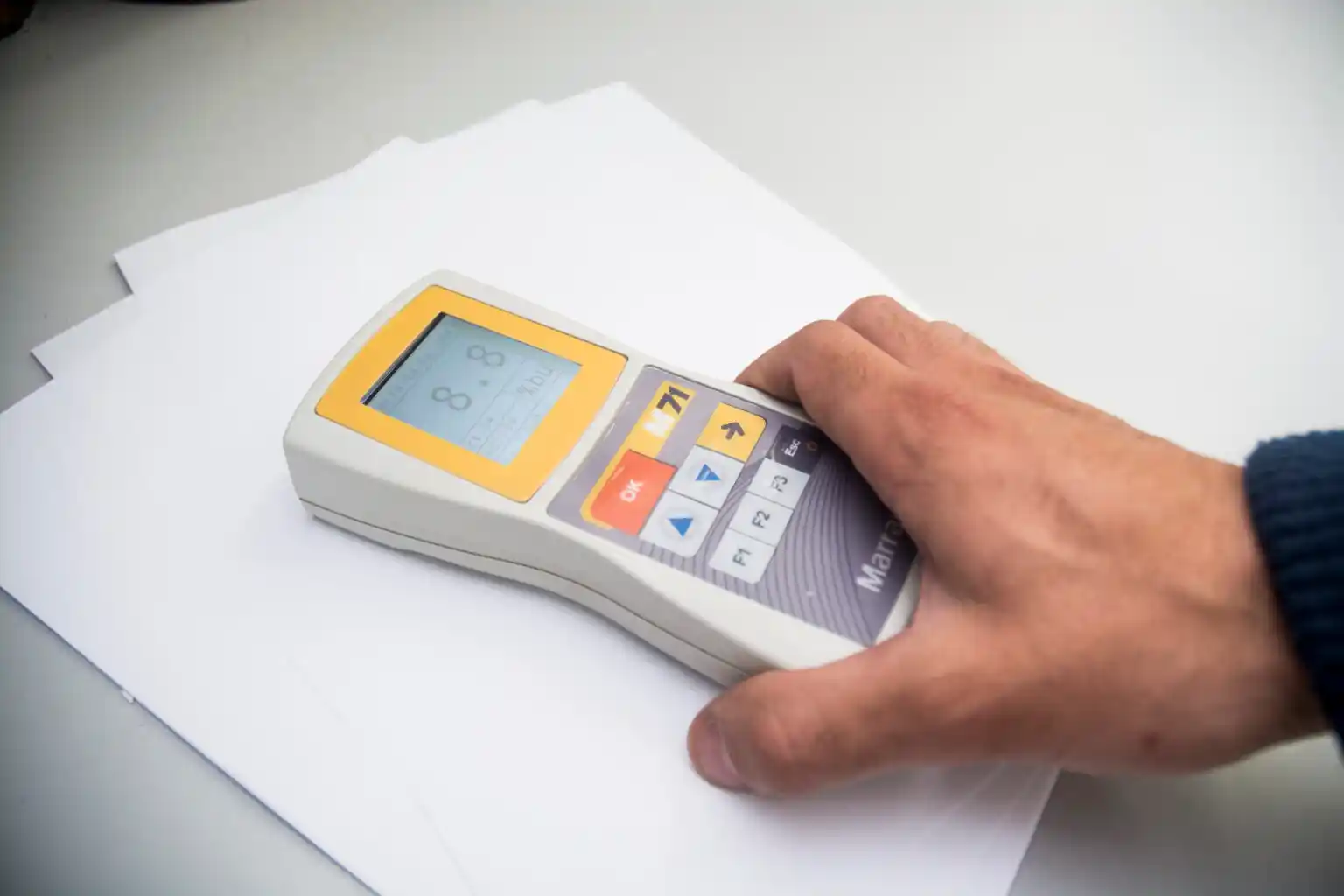
See Marrari’s portable moisture meters for many industrial sectors

Integration in the Industry 4.0 era
As Industry 4.0 evolves, integrating moisture meters becomes strategic and plays a central role in the digital transformation of industrial operations. Collecting and analyzing this data in real time enables predictive strategies, anticipating moisture variations and acting proactively to optimize processes. This integration also enables advanced preventive maintenance, identifying patterns and trends to intervene before bigger problems occur, with operational efficiency and economic and environmental sustainability.
Conclusion
In short, using moisture meters in industry is an essential practice to ensure operational efficiency, product quality and regulatory compliance. Capacitive meters stand out as a smart choice for companies seeking excellence in moisture control. Invest in the right technology and put your plant on the path to sustainable, efficient success.