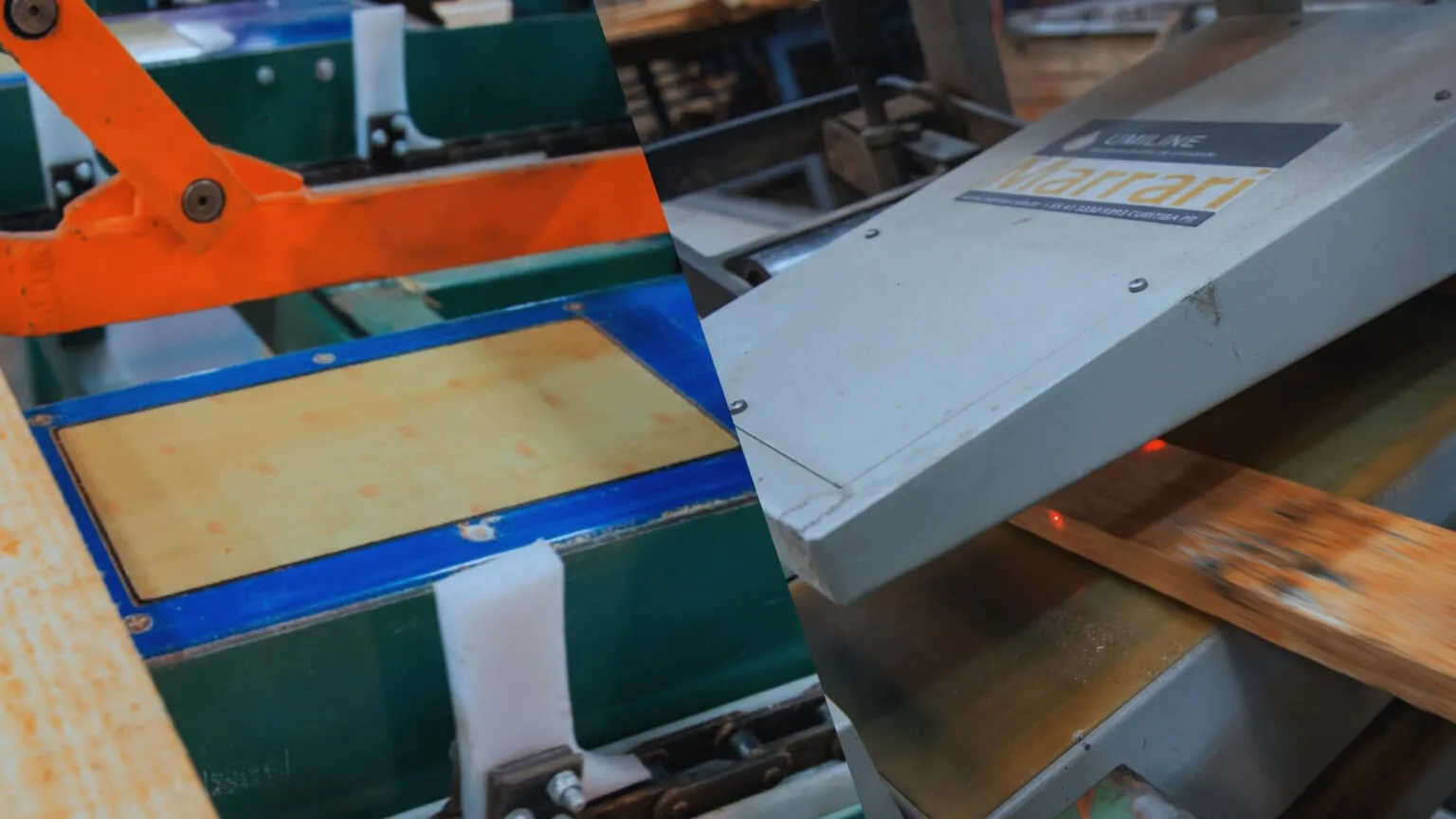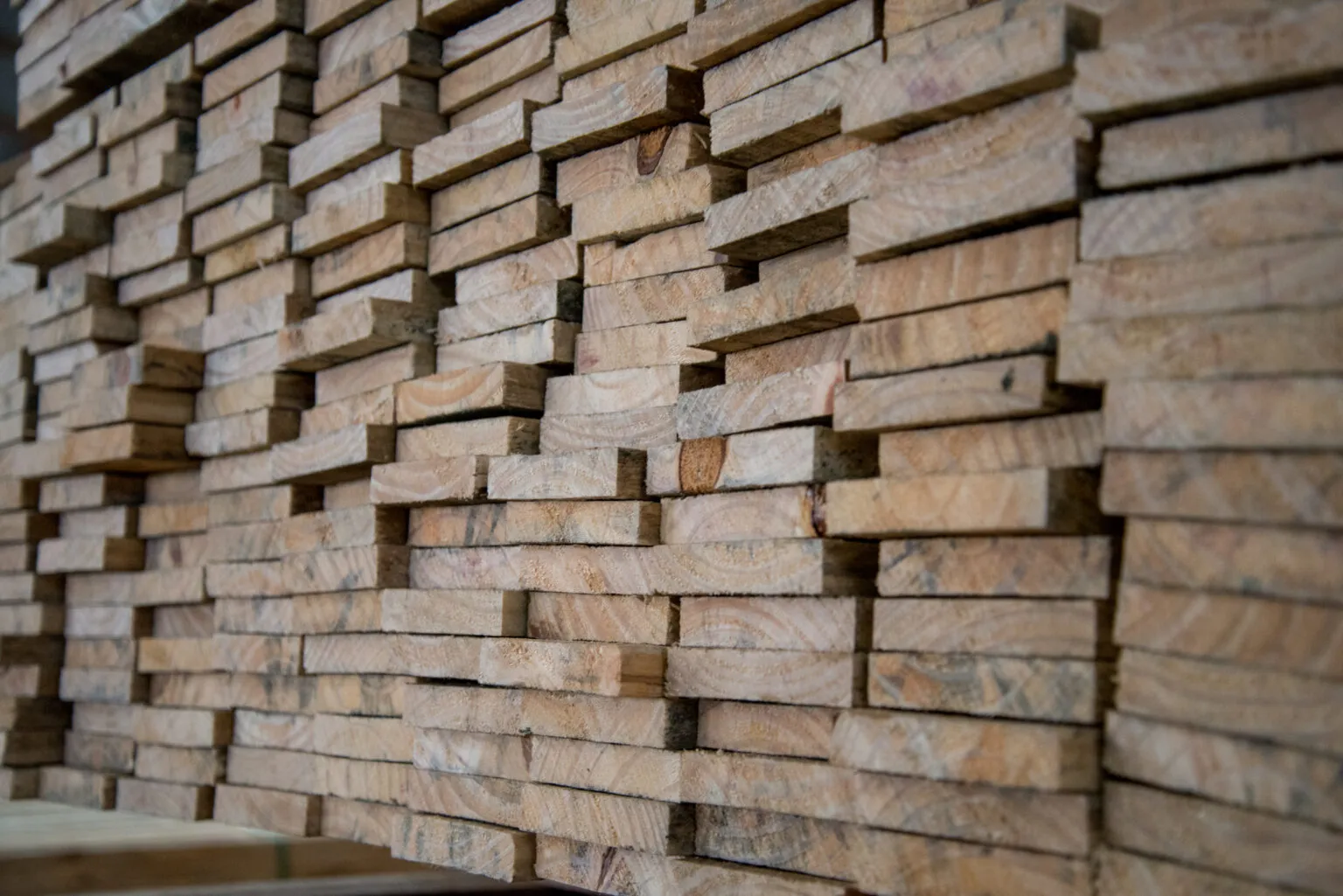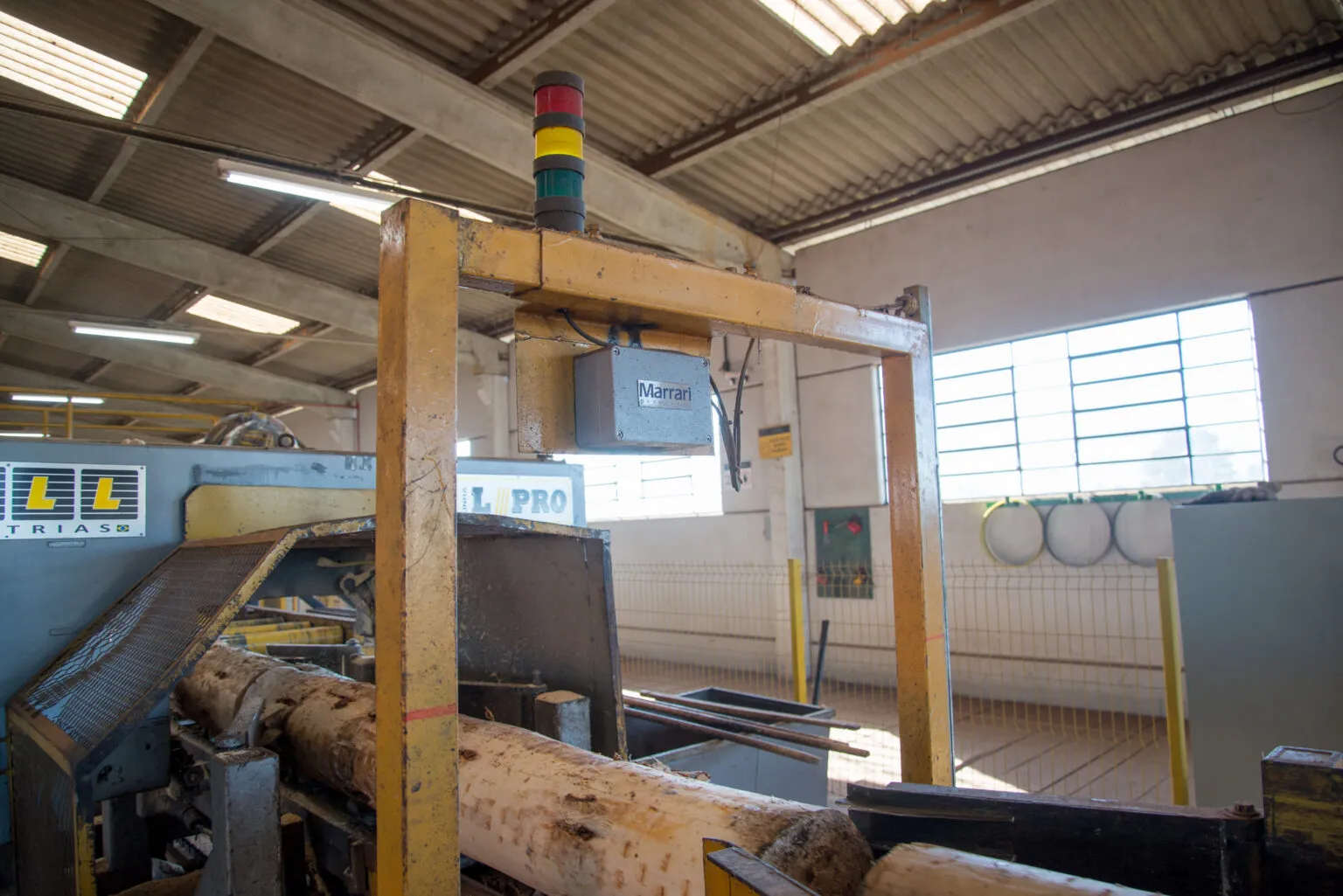

Drying is a fundamental process in the wood industry, essential to the quality and durability of finished products. Freshly cut wood has a high moisture content, which can cause problems such as warping, cracking, rot and fungal attack. These problems compromise the wood’s structural integrity and hurt its appearance and performance.
Why is wood drying crucial?
Drying removes excess moisture from freshly cut wood. It reduces the risk of distortion and increases resistance to pests and fungi. Dry wood is also lighter, making it easier to transport and handle. Proper drying improves the wood’s mechanical properties as well, making it more stable and stronger.
Drying is also key to preparing wood for later processes such as gluing and finishing. Poorly dried wood compromises the adhesion of glues and finishes, resulting in

Advantages of automated kiln drying systems
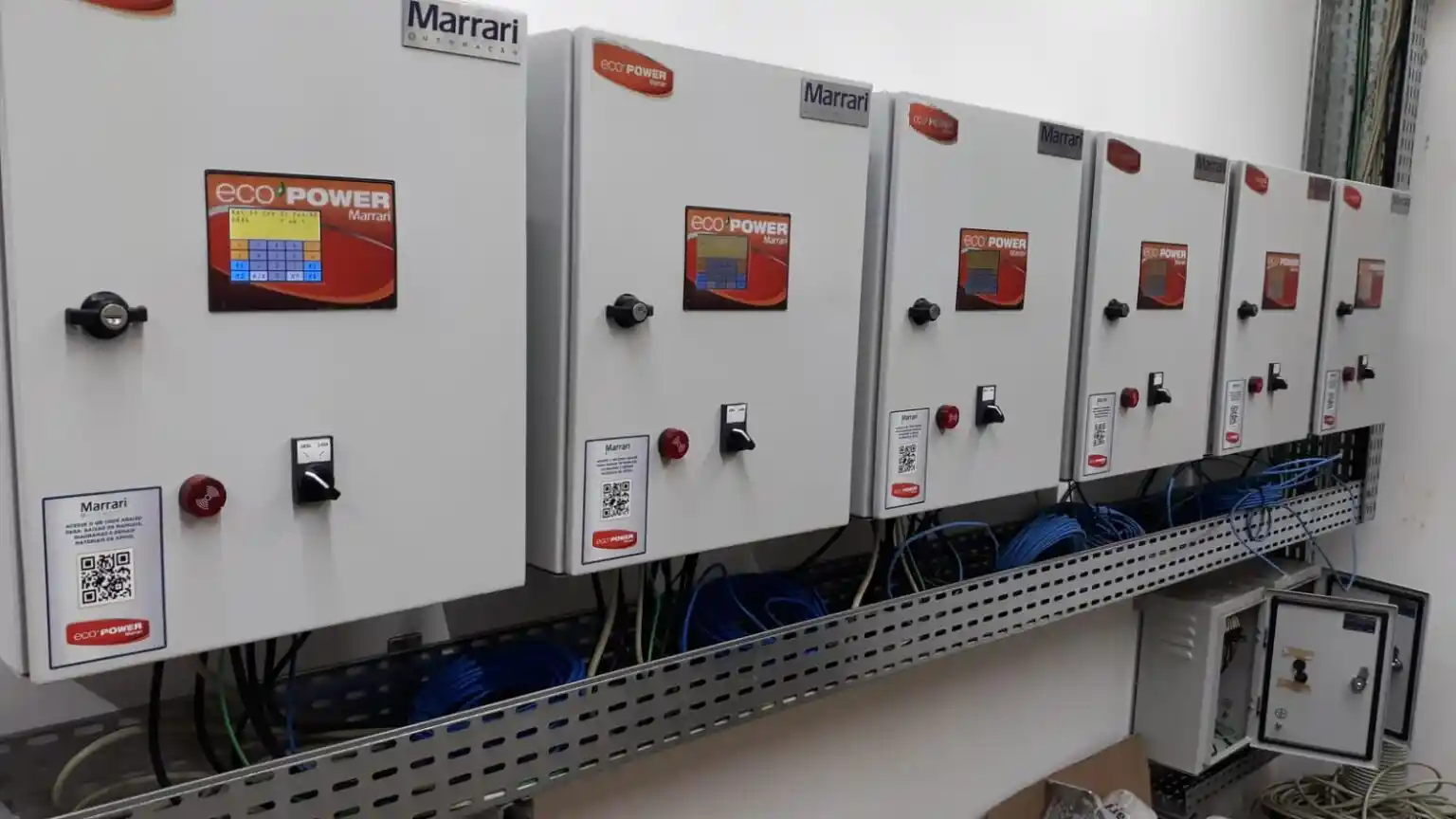
Automated wood kiln drying systems offer several significant advantages. They are designed to control and optimize drying conditions carefully, delivering consistent,
- Precise control of drying conditions: automated systems precisely control temperature, humidity and air circulation inside the kiln, so wood dries evenly and the risk of defects is minimized.
- Shorter drying time: automation runs each stage at the right moment, without drying longer than needed to reach the target moisture. This raises production efficiency and keeps material flowing.
- Energy savings: automated systems are more
energy-efficient because they adjust drying conditions in real time, lowering energy use and operating costs. - Continuous monitoring: sensors and remote control allow continuous monitoring of the drying process, so any anomaly can be detected and corrected immediately.
- Sustainability: automated systems support more sustainable practices in the wood industry. Efficient drying reduces reliance on
non-renewable energy and minimizes wood waste.

Conclusion
Drying is an indispensable process for the quality and durability of wood products. Automating the kilns brings significant advantages: precise control of drying conditions, shorter drying times, energy savings, continuous monitoring and more sustainable practices. Adopting these technologies improves production efficiency and ensures superior products that meet market demands and support sustainability in the wood industry.
Done properly and efficiently, wood drying is an essential investment for any company seeking excellence and sustainability in its processes.
Learn more about drying in this video (in Portuguese):
Did you like this article?
Could this article help someone on your team? Send the link to a colleague: