
Industrial wood drying, always looking for more efficient methods, is finding innovative answers to the key challenge of drying wood quickly and effectively. One of these growing solutions is the use of industrial steam drying kilns. In this article we look at this process in detail and highlight the growing role of automation in improving drying.
Why wood drying matters
Before going into the details of industrial wood drying in steam kilns, it is essential to understand why drying matters. Excess moisture in wood can cause a series of problems, from warping and cracking to loss of structural strength. Proper drying not only ensures the durability of the final product but also plays a key role in its physical properties.
Steam drying kilns: a leap forward for the timber industry
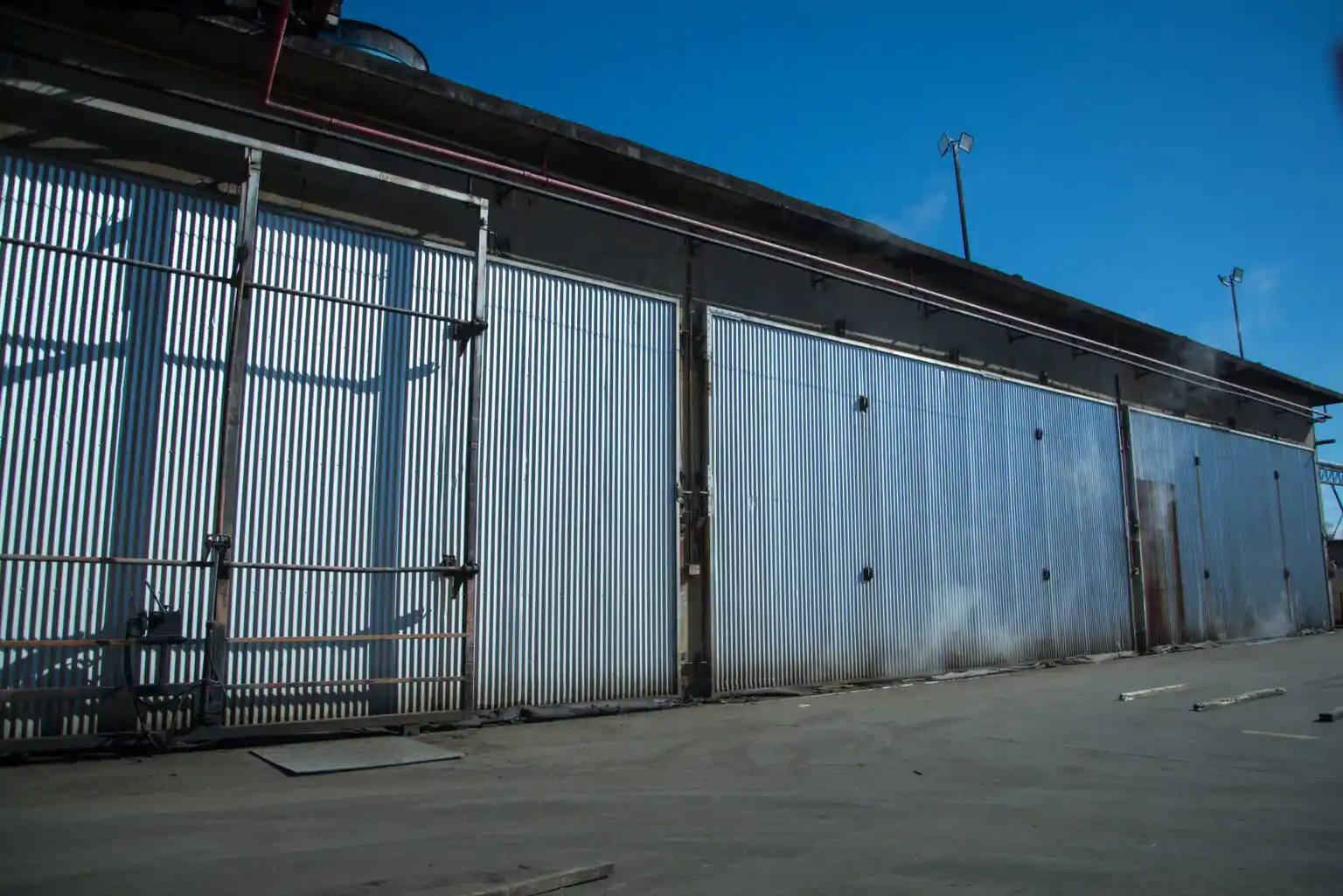
Industrial steam wood drying kilns are a major step forward for the timber industry. By using steam to heat the air and control relative humidity, these kilns create a controlled environment that significantly speeds up drying. The combination of high temperature and controlled humidity contributes to uniform, efficient drying and substantially shortens production times.


Benefits of steam drying kilns
- Energy efficiency: Using steam as the heat source in drying kilns is not only an efficient choice but also a step toward energy sustainability. Steam transfers heat efficiently in the kiln heat exchangers and allows the air to be humidified when needed, which means faster drying and better use of energy, especially when the steam comes from a biomass boiler burning the sawmill’s own residues. This energy efficiency not only lowers operating costs but also aligns timber production with more sustainable practices and helps preserve natural resources.
- Precise control: Precise control of temperature and humidity is one of the great strengths of steam drying kilns. Being able to adjust drying conditions to the characteristics of each type of wood not only optimizes the process but also ensures consistent,
high-quality results. Whether for denser woods or for those more sensitive to moisture, the flexibility of precise control is a key advantage. This adaptability supports both operational efficiency and the highest quality of the final products. - Air circulation: Besides steam, air circulation inside the kiln plays a key role in successful drying. A continuous airflow distributes heat evenly, speeds up the process and avoids hot spots that could lead to uneven drying. Efficient circulation not only makes drying more uniform but also helps prevent mold and other
moisture-related problems, for a healthier, more durable final product. - Fewer defects: The uniform drying provided by steam and efficient air circulation is a strong ally against common timber defects such as warping and cracking. By creating a controlled, homogeneous environment, steam kilns minimize these problems and deliver
higher-quality final products. Fewer defects not only improve the look of the products but also contribute to the durability and structural integrity of the wood, adding significant value to the drying process.
Automation, the key to success
Automating wood drying in industrial steam kilns goes beyond convenience: it is an essential strategy for
- Precision: Automation drives precision in industrial drying. By adjusting automatically to the characteristics of each wood load, it
fine-tunes the drying conditions. This not only removes the margin of human error but also delivers consistently better results. The precision of automation is a guarantee of quality across the whole production process. - Lower costs: By optimizing resource control, automation not only reduces operating costs but also balances efficiency with economic sustainability. Efficient management of inputs, combined with automation’s ability to adapt to process variations, means less waste. This cost reduction is not just a financial strategy but a concrete contribution to more sustainable practices, combining economic success with environmental responsibility.
- Remote monitoring: Being able to monitor and control drying remotely is more than a technological convenience: it changes how production is managed. By letting managers follow the process from anywhere, automation allows informed decisions in real time. This simplifies production management and makes strategic decisions more efficient. Remote monitoring guides production toward a more efficient, productive process.
Learn more about drying automation in the video of the
Challenges and innovations in steam drying
As the timber industry adopts industrial steam drying, new challenges and opportunities for innovation appear. Ongoing research seeks to optimize processes, exploring technologies and materials to improve efficiency and quality. Challenges such as heat uniformity and moisture management are overcome with a variety of solutions, driving the search for technological advances. Continuous research, together with collaboration, is paving the way to more efficient and sustainable steam drying.
Conclusion
In an industry as dynamic as timber, innovation is more than an option: it is a necessity. Steam drying kilns combined with automation are a modern, effective way to meet growing market challenges. By understanding the benefits of these technologies, companies not only improve operational efficiency but also raise the quality of their final products, establish themselves as industry leaders and pave the way for a sustainable, innovative future.
Did you like this article?
Could this article help someone on your team? Send the link to a colleague: