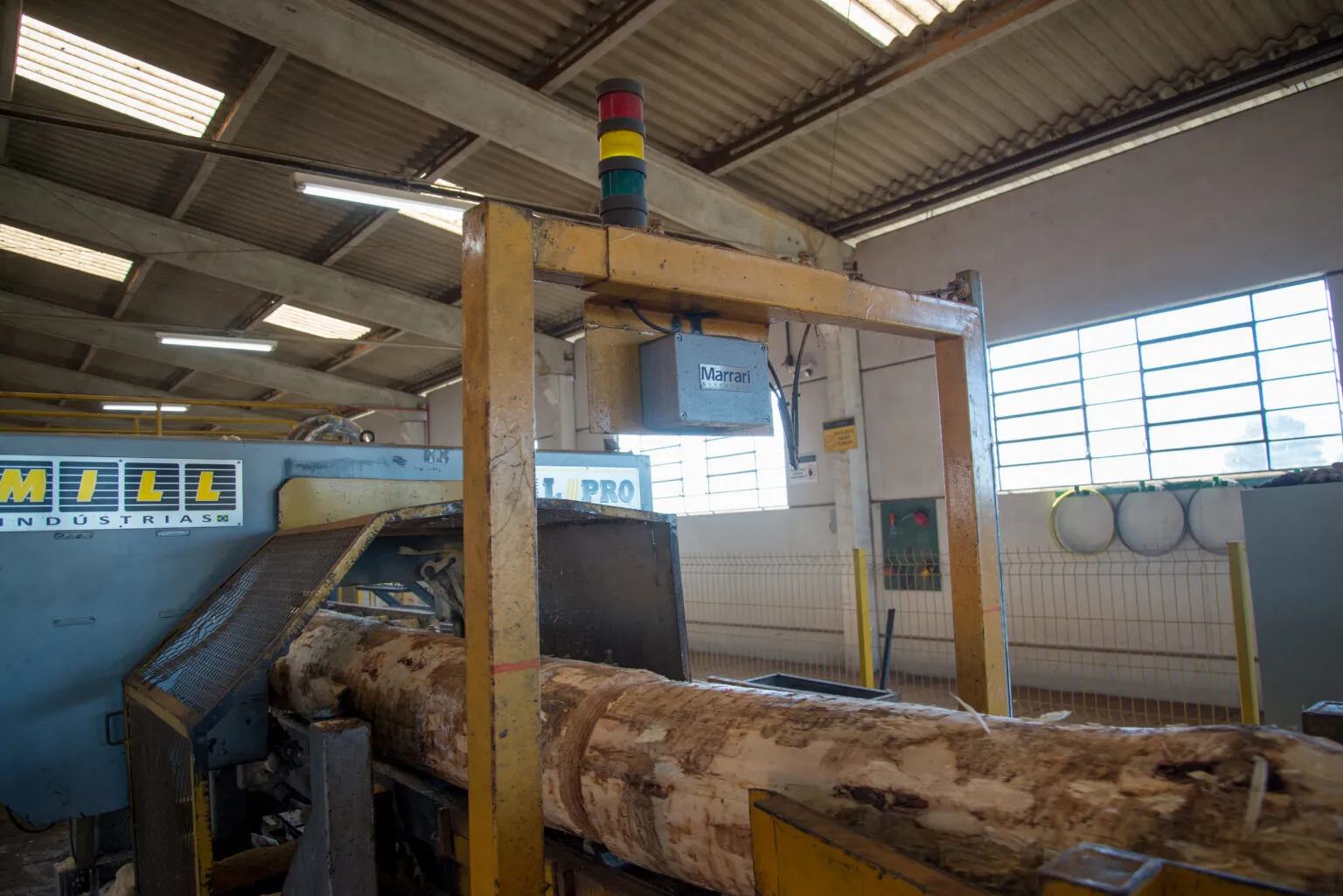


OEE (Overall Equipment Effectiveness) is an increasingly popular tool for production control.
It answers three key questions:
- How often is my equipment available to run?
- How fast am I producing?
- How many parts were produced without scrap?
The answers to these three questions give an overall picture of operations in any type of business, which is why OEE is considered so important in industry.
How OEE is calculated
Each question corresponds to one factor of the indicator. OEE is the product of all three:
- Availability: the time the equipment actually ran compared with planned production time;
- Performance: actual production speed compared with the equipment’s rated speed;
- Quality: good parts as a share of total output.
OEE = Availability × Performance × Quality
What is OEE used for?
Quantitative data show whether equipment is being fully used and where there is room for improvement. OEE is a global industry benchmark.

Conclusion
Simply measuring the indicators and sharing them with everyone involved in production, with clear targets, delivers excellent results because it aligns management and staff objectives. That is how a continuous drive for excellence, and higher operational efficiency, begins. Integrating how information is generated and analyzed creates a single source of truth and keeps the business learning. The company becomes more competitive, and employees gain a better working environment.
Marrari solutions that already use this method:
Author: Antônio Sérgio Beraldo, Engineering Director at Marrari Automação
Source: “OEE” handbook by Cleyton Xavier Leite (in Portuguese)