
In Brazil,
Among the most critical factors, moisture tops the list. Grain that is poorly dried, stored above the safe moisture level or transported in the wrong conditions can lose quality and market value, or even become unsellable.
That raises the question: how do you improve
The post-harvest challenge: why are losses so high?
- At receiving, mixing lots with different moisture levels increases the risk of spoilage.
- During drying, poor control can lead to excessive energy use or
under-drying. - In storage, balancing moisture and temperature is vital to prevent mold, mycotoxins and pests.
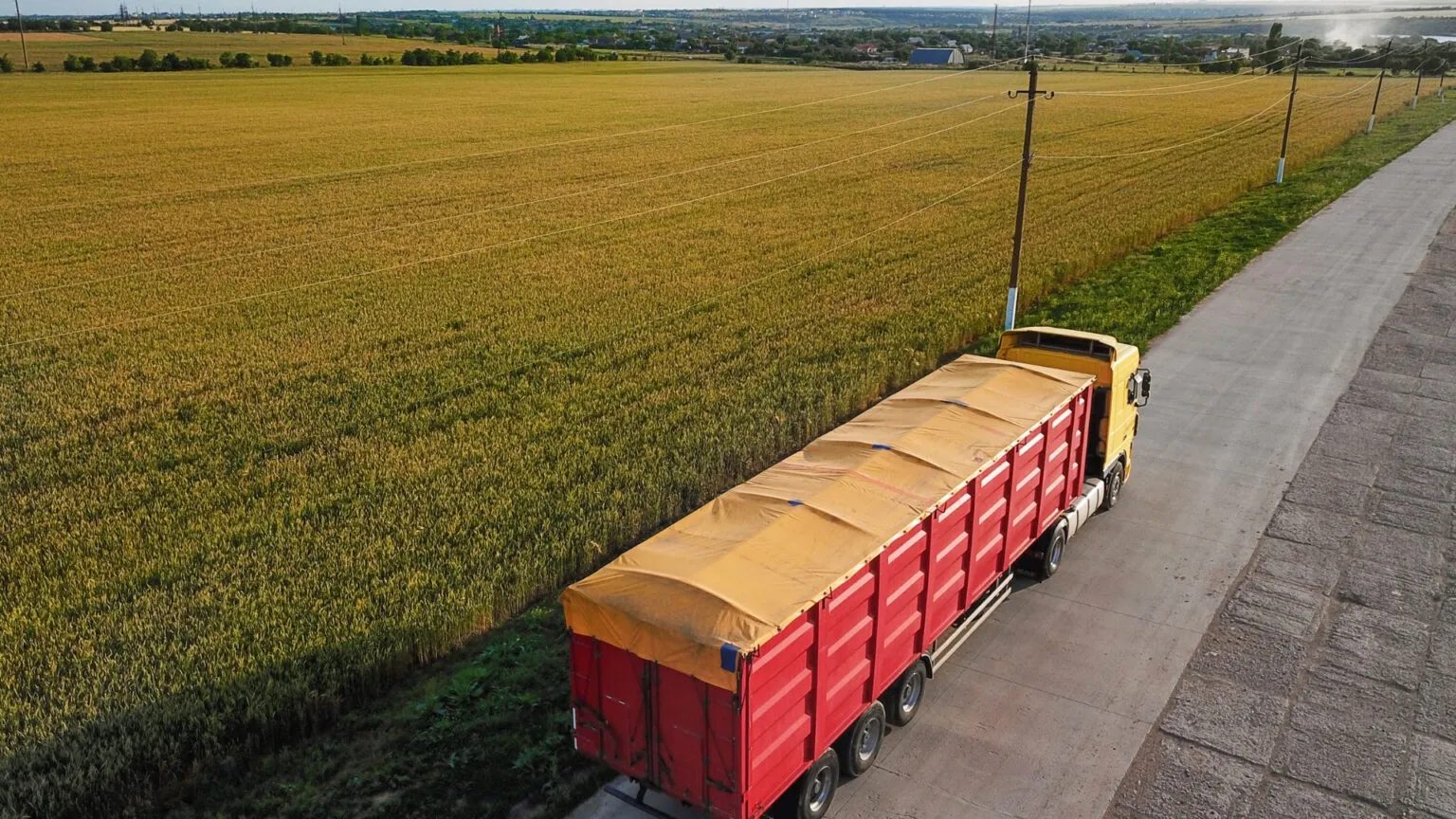
- In transport,
off-spec grain can be rejected by the buyer, causing financial and logistical losses.
According to the FAO, about 13% of the world’s food is lost between harvest and retail, and in tropical regions without proper moisture and storage management, grain losses can be much higher.
Why moisture matters after harvest
Grain moisture content drives three key profitability factors:
- Quality:
well-preserved grain keeps its nutritional and physical value. - Saleable weight:
over-drying reduces weight and yield. - Safety: high moisture speeds up biological and microbial spoilage.
The table below shows the ideal storage moisture range for some common grains:
| Product | Safe storage moisture (%) | Risk above this level |
|---|---|---|
| Corn | Mold growth and heating | |
| Soybeans | Mycotoxin formation and lower oil quality | |
| Wheat | Weaker gluten and pest presence | |
| Beans | Loss of color and flavor, rapid spoilage | |
| Paddy rice | Breakage during milling, mold and fermentation |
How to improve post-harvest profitability at each stage
Here is how
1. Receiving: sorting lots and avoiding risk
When grain arrives at the facility, moisture needs to be measured quickly. That reading tells you where each lot should go:
- grain within the safe range can go straight to storage;
- grain above the limit should go to the dryer right away.
Benefit: prevents cross-contamination between lots, avoiding losses that could reach
2. During drying: energy efficiency and quality
Drying is one of the most
Under-drying: grain that is still wet goes into storage, raising the risk of spoilage.Over-drying: besides wasting energy, it reduces saleable weight and increases kernel breakage.
3. After drying: confirming the target
Before releasing a lot to the silo, it is essential to confirm it has reached the target moisture. This final check makes sure the previous step did its job, avoiding rework and losses.
Benefit: stable product and longer storage without losses.
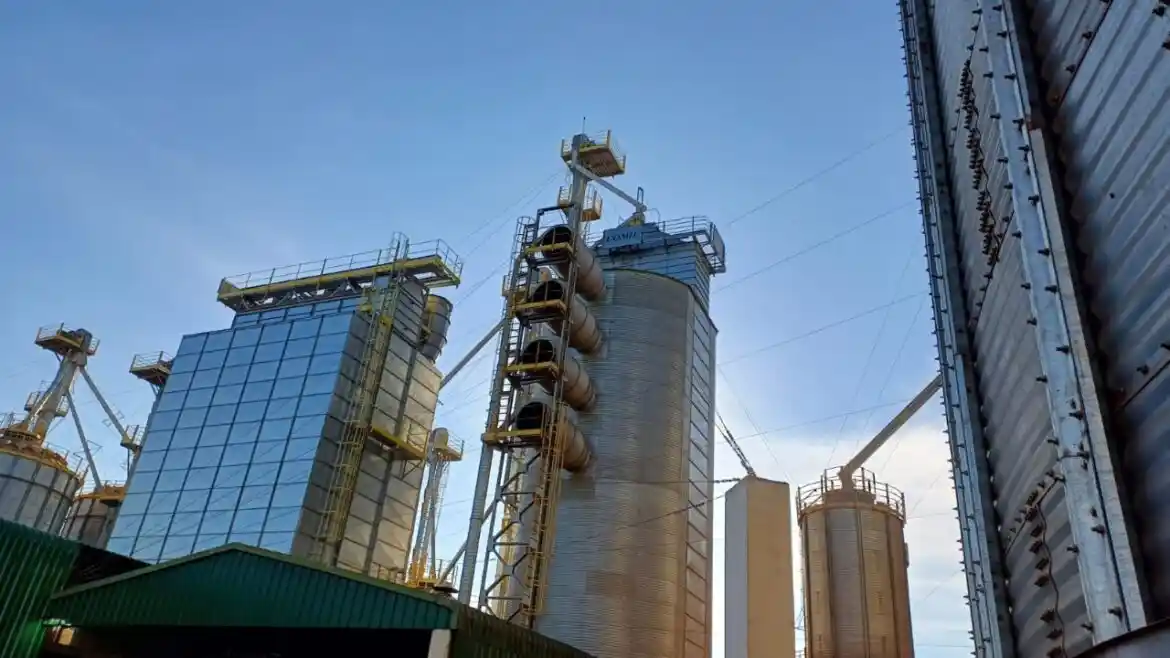
4. Storage: continuous monitoring
Even after correct drying, moisture can shift inside the silo because of condensation, leaks or temperature swings. Continuous sensors flag risk spots before they become problems.
Benefit: fewer losses from mold and heating, which can affect up to 8% of stored volume.
5. Transport: compliance and competitiveness
Domestic and international buyers require strict moisture specifications. An
Benefit: customer trust, better prices and lower logistics costs.
Improving post-harvest profitability with real-time data
By replacing manual methods with sensors and automated systems, growers and processors gain:
- Faster decisions, without waiting on slow lab tests.
- Consistent quality: every lot is delivered within the required specifications.
- Integrated management: data can be logged, analyzed and used in performance reports.
- More predictability: operators can plan drying, storage and transport logistics better.
Practical example: continuous moisture measurement
Tools such as UmiGrain provide instant readings and moisture history, integrated into the production line. With this kind of technology, managers can:
- Route lots correctly from the moment they arrive.
- Cut fuel costs during drying.
- Make sure grain leaves the dryer at exactly the right moisture.
- Monitor silos more reliably.
- Avoid commercial rejections in transport.
Result: higher profitability through fewer losses, energy savings and a
ROI of real-time measurement: the financial impact
| Item | Traditional approach | With | Estimated gain |
|---|---|---|---|
| Storage losses | Savings of up to 8 percentage points | ||
| Drying energy use | 100% (baseline) | Direct savings on energy bills | |
| Weight lost to | Practically eliminated | Higher yield and revenue | |
| Penalties and rejections in transport | Frequent | Rare | Lower costs and more commercial trust |
Complementary best practices to boost results
Beyond moisture measurement, a few practices strengthen the process:
- Silo temperature control: limits mold growth.
- Even aeration: prevents condensation spots.
- Effective
pre-cleaning : removes impurities that hold moisture. - Equipment maintenance: sensors and dryers must be calibrated.
- Team training:
well-trained operators read the data and decide quickly.
Conclusion
The question “how do you improve
This strategy cuts losses, saves energy, secures quality and adds value to the product. The financial return comes not only from avoiding waste but also from reaching more demanding markets and achieving better prices.
The future of
Did you like this article?
Could this article help someone on your team? Send the link to a colleague: